
This 16 Cooking Techniques Every Home Cook Should Know is a practical guide to the cooking methods that shape the flavor, texture, and success of your food.
Learning a few essential cooking techniques can help you build flavor, improve texture, and cook with more confidence-without needing complicated ingredients or equipment. Here, you can explore heat levels, heat types, flavor effects, common mistakes, and kitchen tips to better understand how and why cooking works.
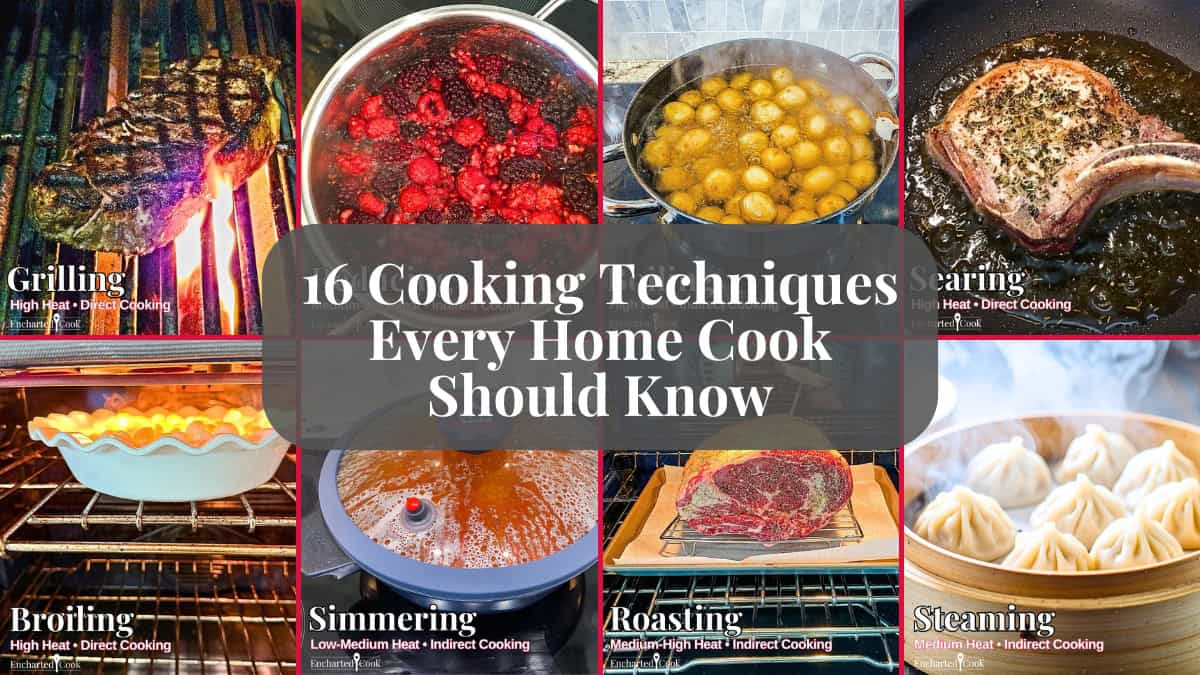
🔍 Quick Look: 16 Cooking Techniques Every Home Cook Should Know
- Learn: 16 essential cooking techniques for everyday home cooking
- Includes: Moist heat, dry heat, and flavor-building techniques
- Discover: Heat levels, direct vs. indirect heat, flavor effects, common mistakes, kitchen tips, and recipes to try
- Best For: Beginner and intermediate home cooks who want to understand how-and why-cooking works
- Why You'll Love It: Understand how heat transforms food so you can build flavor, improve texture, and become a more confident home cook.
Jump to:
- 🔍 Quick Look: 16 Cooking Techniques Every Home Cook Should Know
- Cooking Techniques by Category
- Cooking Techniques at a Glance
- Moist Heat Cooking
- Boiling
- Simmering
- Blanching
- Steaming
- Poaching
- Dry Heat Cooking
- Sautéing
- Searing (Browning)
- Frying
- Baking
- Broiling
- Grilling
- Roasting
- Flavor-Building Techniques
- Deglazing
- Braising
- Reducing
- Seasoning
- More Cooking Tips, Charts & Kitchen Guides
- 💬 Comments
Cooking Techniques by Category
Moist Heat
- Boiling
- Simmering
- Blanching
- Steaming
- Poaching
Dry Heat
- Sautéing
- Searing
- Frying
- Baking
- Broiling
- Grilling
- Roasting
Flavor Building
- Deglazing
- Braising
- Reducing
- Seasoning
Cooking Techniques at a Glance
| Technique Group | Cooking Technique | Heat Type | Primary Goal |
|---|---|---|---|
| Moist Heat | Boiling | Indirect | Cook Quickly |
| Moist Heat | Simmering | Indirect | Cook Gently |
| Moist Heat | Blanching | Indirect | Preserve Color & Texture |
| Moist Heat | Steaming | Indirect | Preserve Moisture |
| Moist Heat | Poaching | Indirect | Cook Delicate Foods |
| Dry Heat | Sautéing | Direct | Brown Quickly |
| Dry Heat | Searing | Direct | Build a Crust |
| Dry Heat | Frying | Direct | Create Crisp Texture |
| Dry Heat | Baking | Indirect | Cook Evenly |
| Dry Heat | Broiling | Direct | Brown the Surface |
| Dry Heat | Grilling | Direct | Add Smoky Flavor |
| Dry Heat | Roasting | Indirect | Deepen Flavor |
| Flavor Building | Deglazing | Direct | Build Pan Sauce |
| Flavor Building | Braising | Combination | Tenderize & Deepen Flavor |
| Flavor Building | Reducing | Indirect | Concentrate Flavor |
| Flavor Building | Seasoning | Not Applicable | Enhance Flavor |
Moist Heat Cooking
Moist heat cooking uses water, steam, or another liquid to gently cook food. These methods are excellent for vegetables, soups, eggs, seafood, and tender dishes that benefit from controlled heat.
Boiling
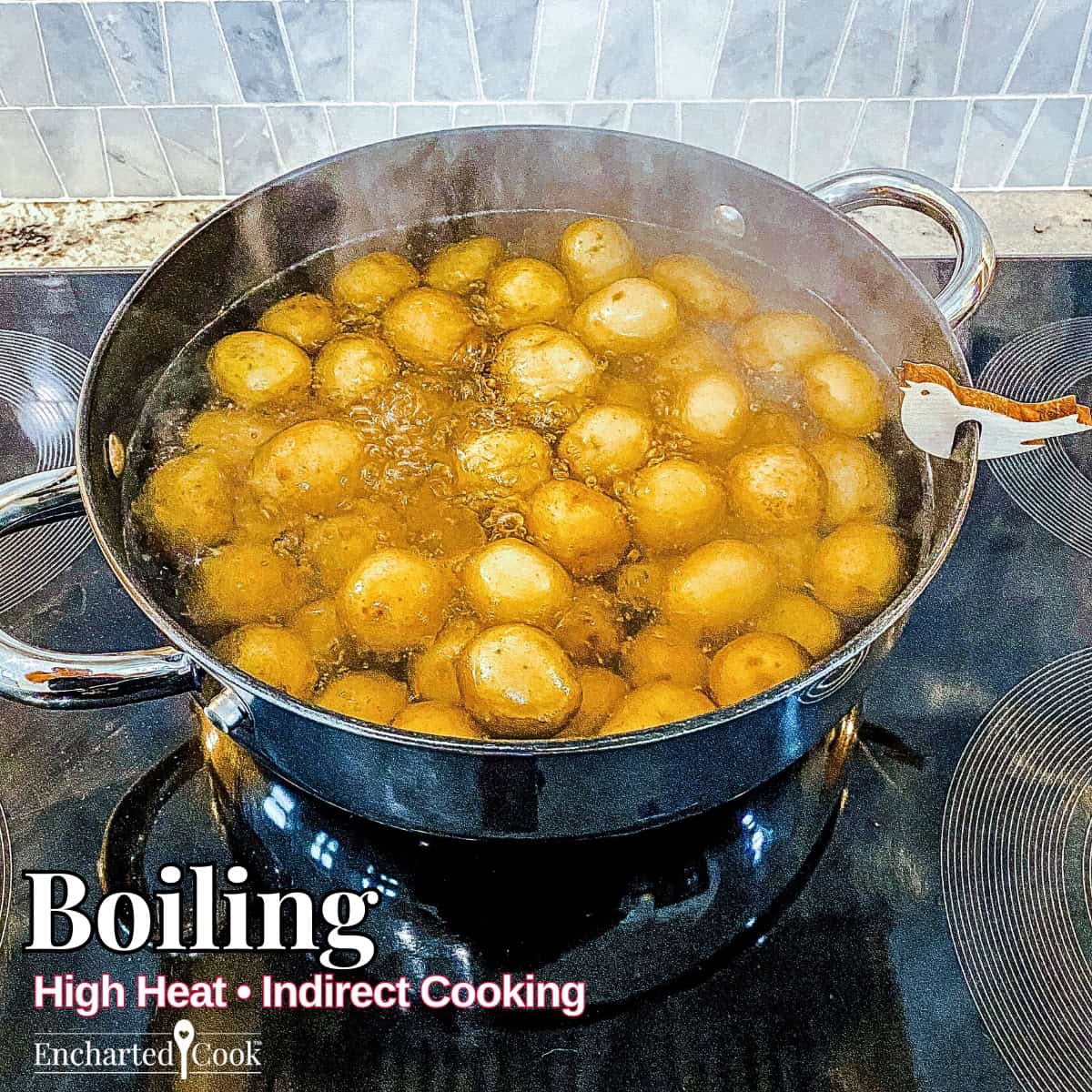
- Best For: Pasta, grains, potatoes, carrots, turnips, eggs, shellfish in the shell, and foods that benefit from rapid cooking in water.
- Heat Level/Type: 🔥🔥🔥🔥 High/Indirect
- What Happens to Flavor: Minimal Flavor Change
- Common Mistakes: Too Much Heat → Overcooking vegetables or pasta can make them soft or mushy.
- Recipe to Try: How to Boil Potatoes
Simmering
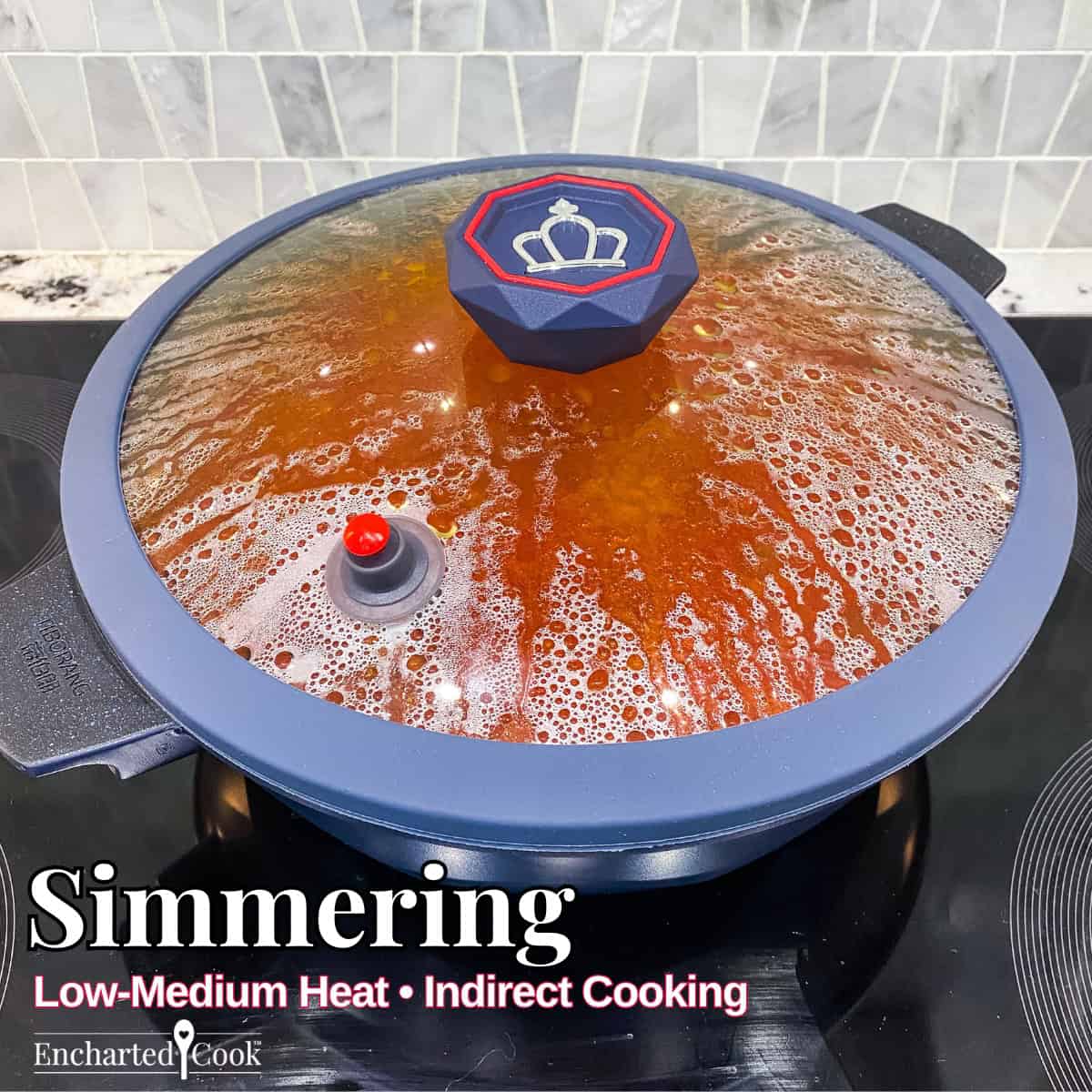
- Best For: Breaking down tough cuts of meat, reducing sauces, cooking soups, stews, chili, beans, and stocks, and gently cooking delicate foods like poached eggs.
- Heat Level/Type: 🔥🔥 Low-Medium/Indirect
- What Happens to Flavor: Enhances Flavor
- Common Mistakes: Too Much Heat → Cooking at a full boil can toughen meat or break delicate ingredients apart.
- Kitchen Tip: A simmer should have small, gentle bubbles-not a rolling boil-to keep foods tender and sauces smooth.
- Recipe to Try: Creamy Chicken Noodle Soup
Blanching
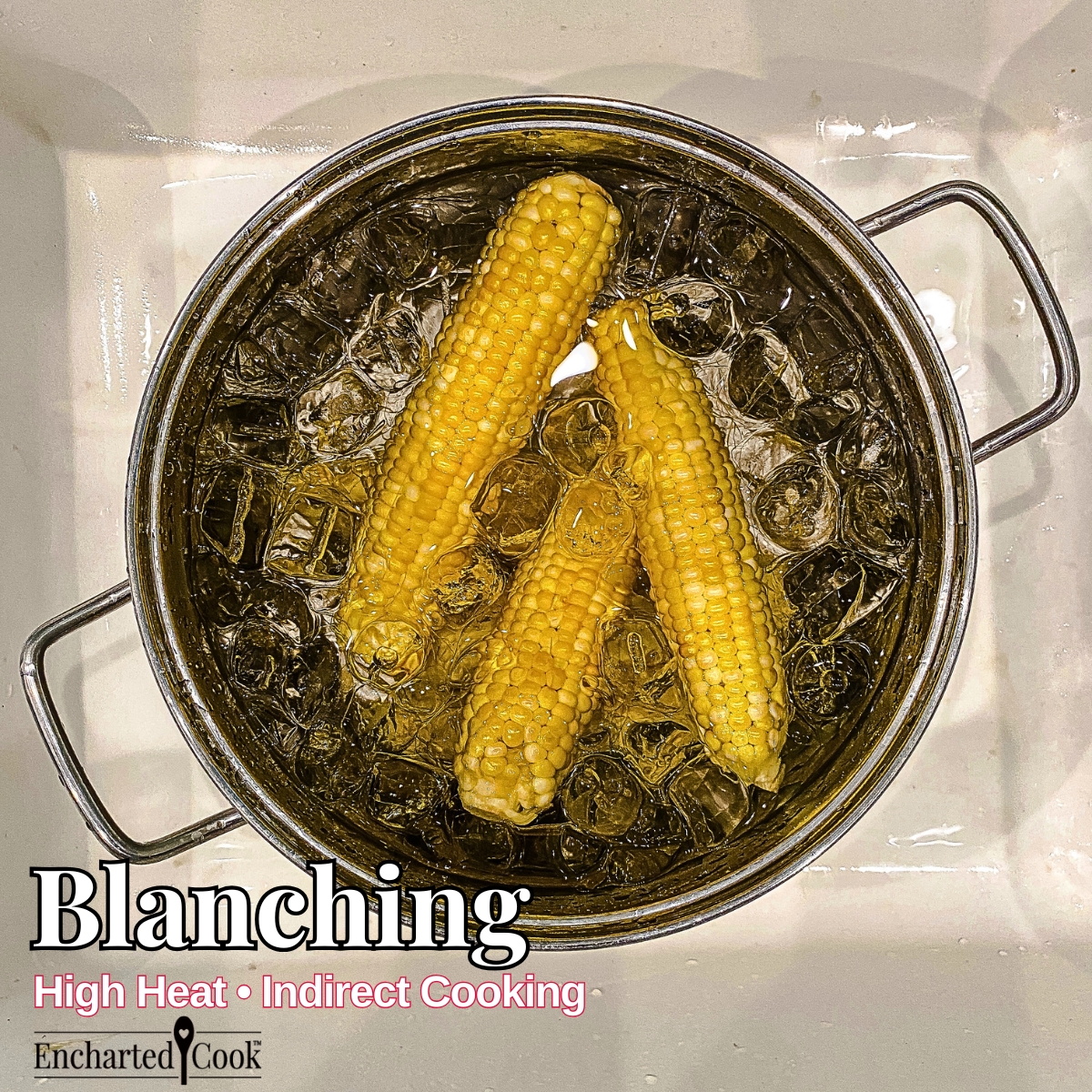
- Best For: Brightening the color and preserving the crisp texture of fresh vegetables, reducing bitterness in hearty greens, and loosening skins from tomatoes, peaches, and other soft fruits for easy peeling.
- Heat Level/Type: 🔥🔥🔥🔥 High/Indirect
- What Happens to Flavor: Preserves Fresh Flavor
- Common Mistakes: Too Little Patience → Skipping the ice bath can cause vegetables to continue cooking and lose color.
- Recipe to Try: Summer Corn Salad
Steaming
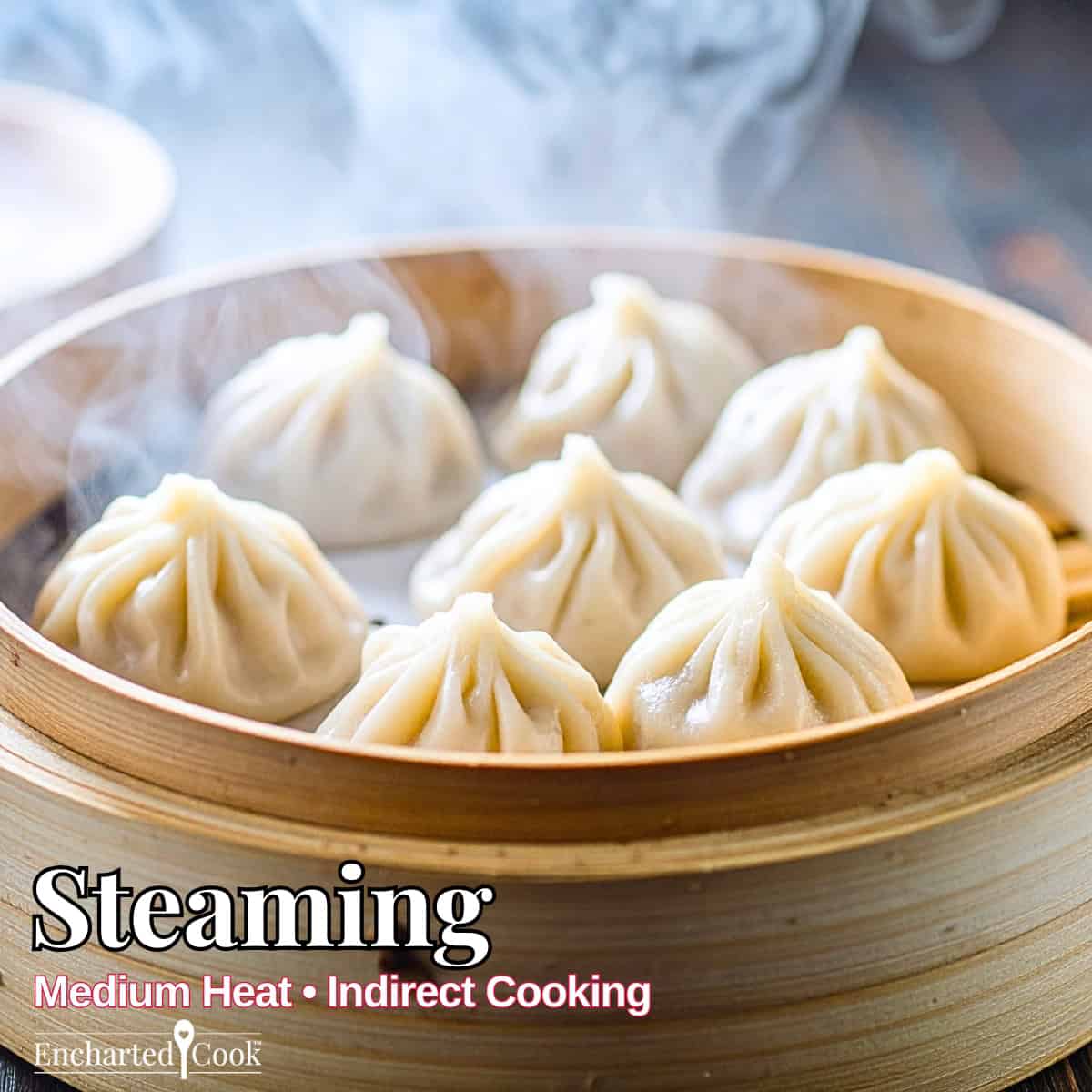
- Best For: Delicate foods like dumplings, fish, and vegetables that benefit from gentle cooking while preserving color, texture, and nutrients.
- Heat Level/Type: 🔥🔥 Medium/Indirect
- What Happens to Flavor: Preserves Fresh Flavor
- Common Mistakes: Too Much Heat → Overcooking can make vegetables dull, soft, and less flavorful.
Poaching
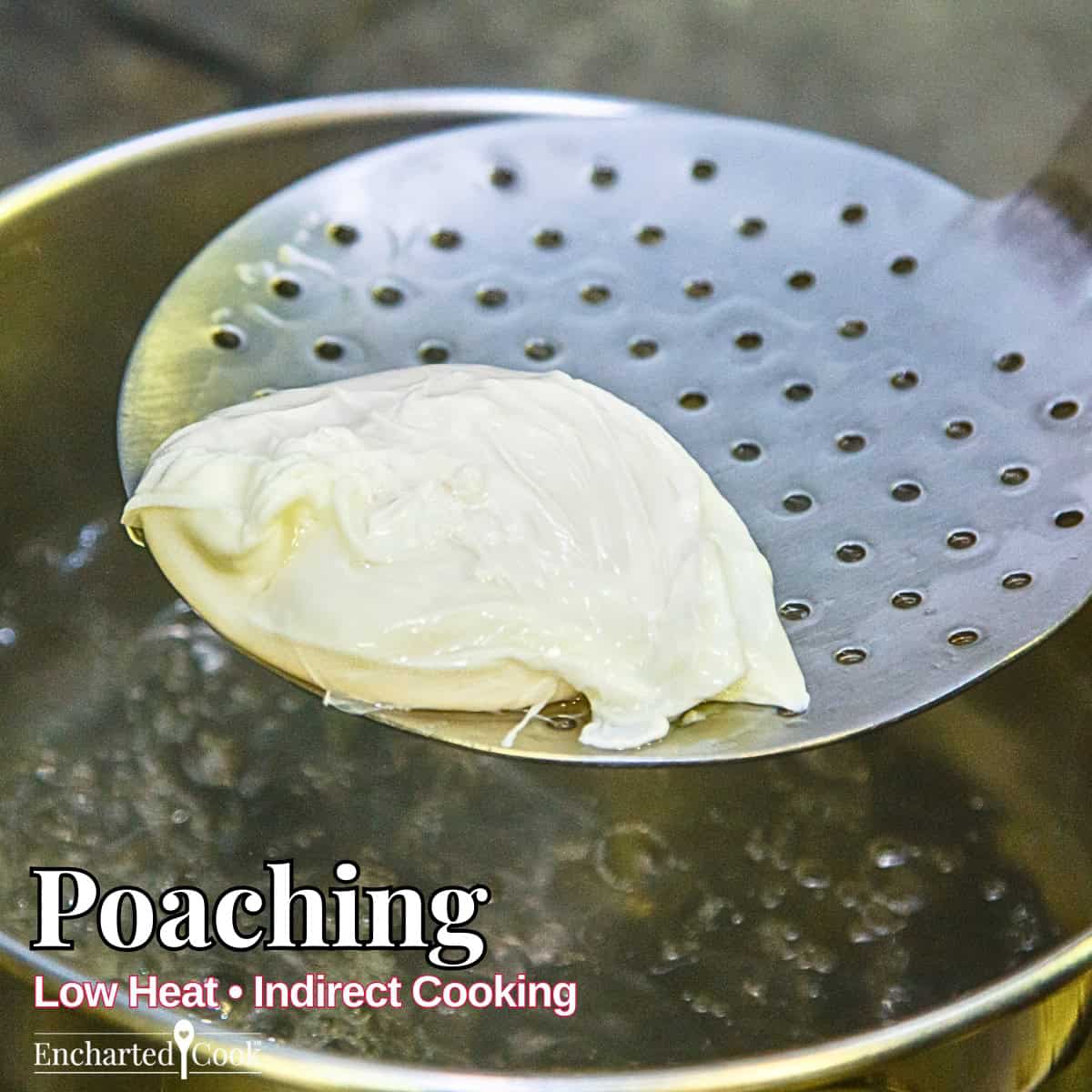
- Best For: Delicate foods like eggs, fish, chicken, fruit, and dumplings that benefit from gentle cooking while staying tender and moist.
- Heat Level/Type: 🔥 Low/Indirect
- What Happens to Flavor: Preserves Fresh Flavor
- Common Mistakes: Too Much Heat → Cooking liquid that is too hot can toughen proteins or break delicate foods apart.
Dry Heat Cooking
Dry-heat cooking uses hot air, direct heat, or fat to brown food and develop flavor. These methods create texture, caramelization, and a richer taste.
Sautéing
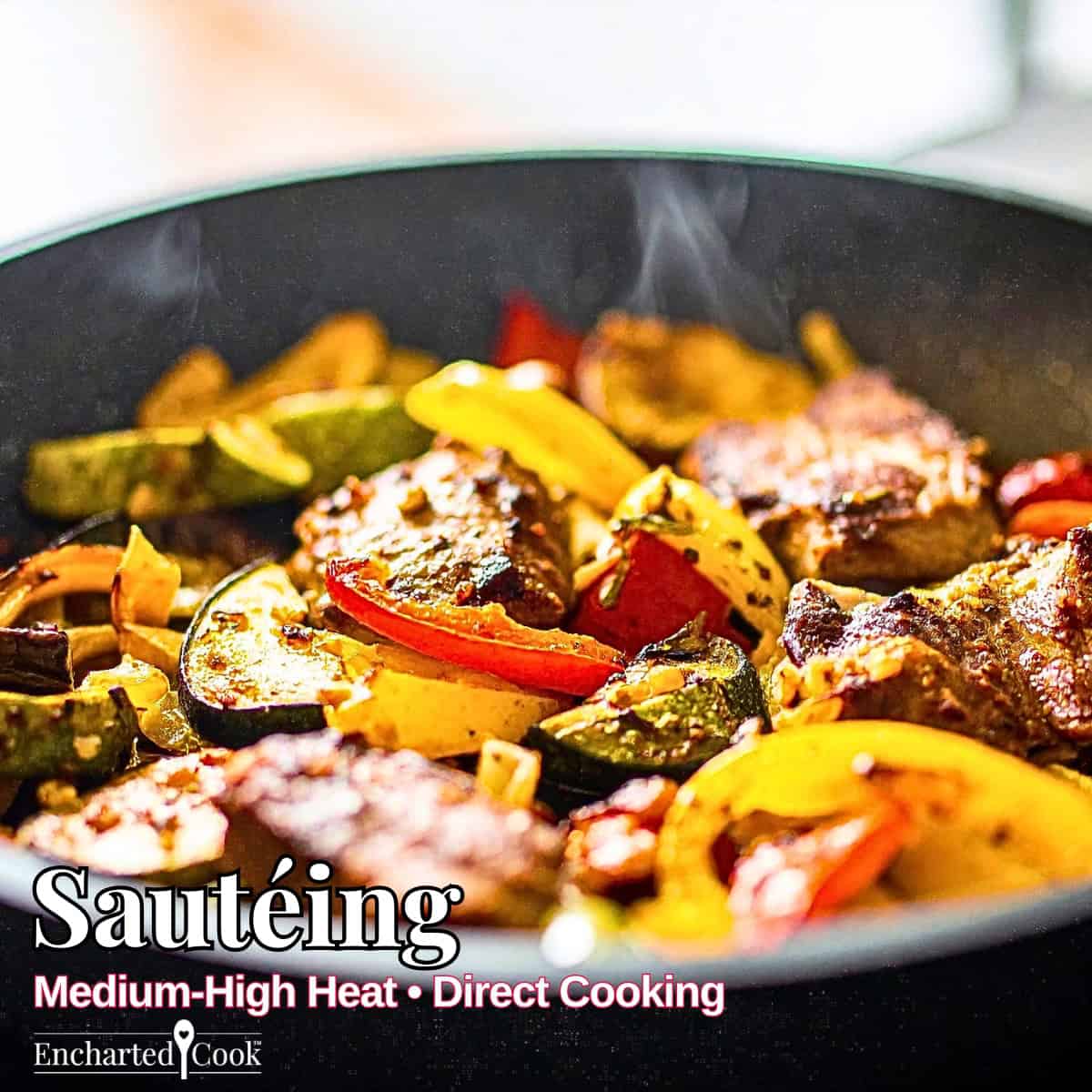
- Best For: Quickly cooking tender cuts of meat, seafood, vegetables, and aromatics like onions and garlic while building flavor and browning.
- Heat Level/Type: 🔥🔥🔥🔥 Medium-High/Direct
- What Happens to Flavor: Enhances Flavor
- Common Mistakes: Crowding the Pan → Too much food in the pan traps steam and prevents browning.
Searing (Browning)
Searing, often called browning, cooks the surface of food over relatively high heat to create a deeply browned, flavorful crust.
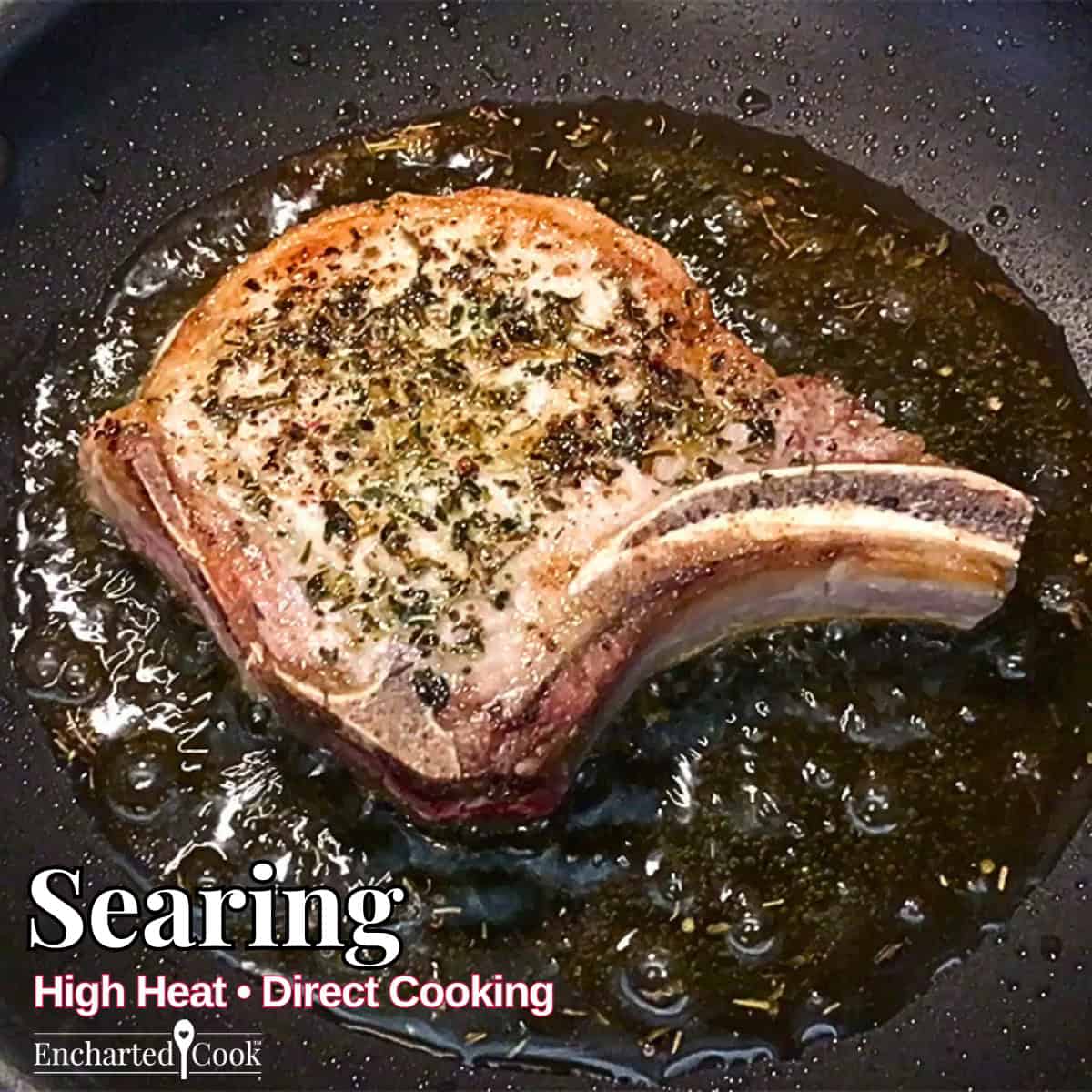
- Best For: Steaks, pork chops, chicken breasts, scallops, and vegetables that benefit from browning
- Heat Level/Type: 🔥🔥🔥🔥 High/Direct
- What Happens to Flavor: Deepens Flavor
- Common Mistakes: Too Little Patience → Moving food too soon prevents a flavorful crust from forming.
- Kitchen Tip: Pat food dry before searing for better browning and a crisp crust.
- Recipe to Try: Pork Chops in Creamed Corn
Frying
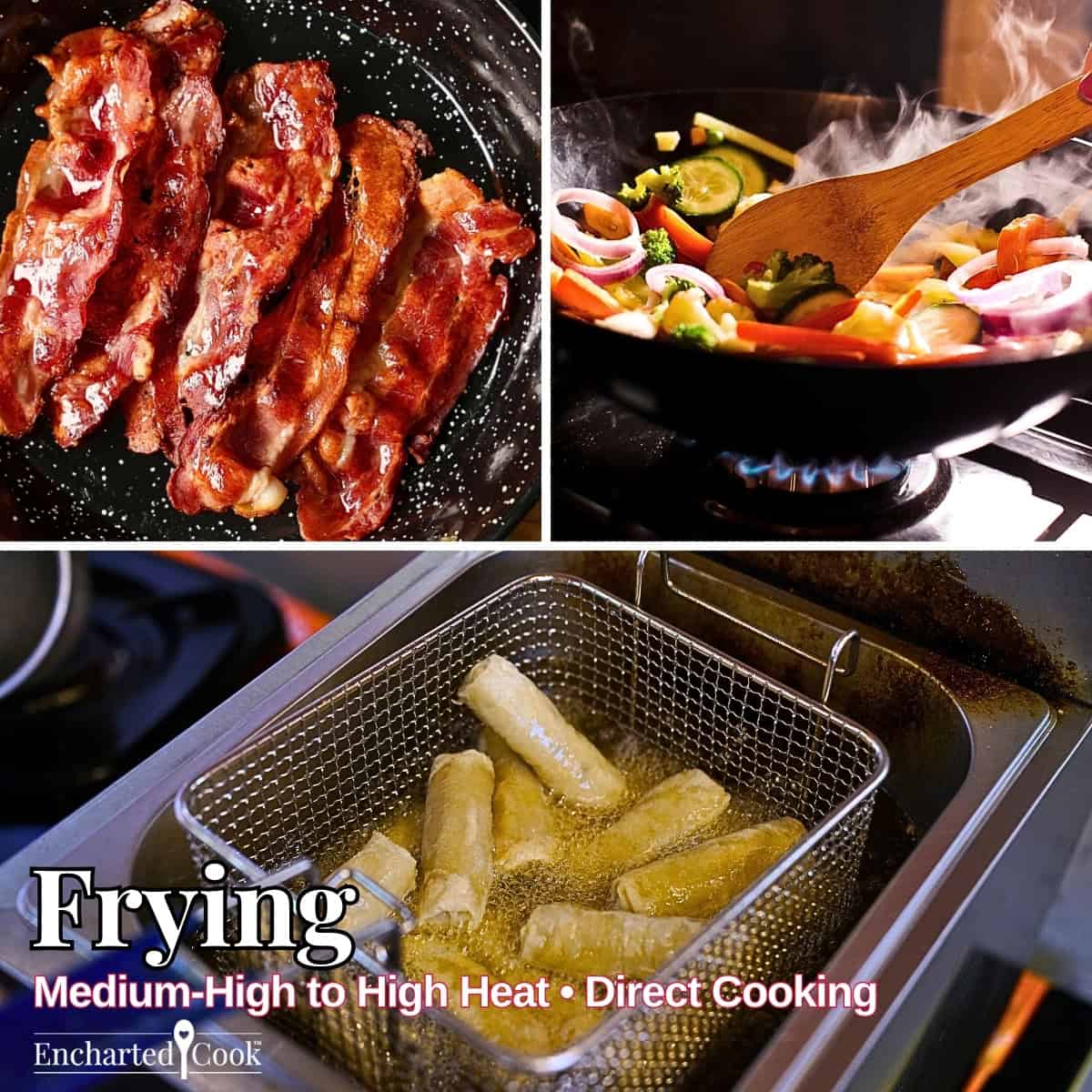
- Best For: Cooking foods that benefit from a crisp exterior and tender interior, including chicken, fish, potatoes, vegetables, and breaded foods.
- Heat Level/Type: 🔥🔥🔥🔥 Medium-High
- What Happens to Flavor: Deepens Flavor
- Common Mistakes: Too Little Heat → Frying at too low a temperature, which causes food to absorb oil and become greasy.
- Kitchen Tip: Fry in small batches and keep the oil hot enough so food crisps instead of becoming greasy.
Baking
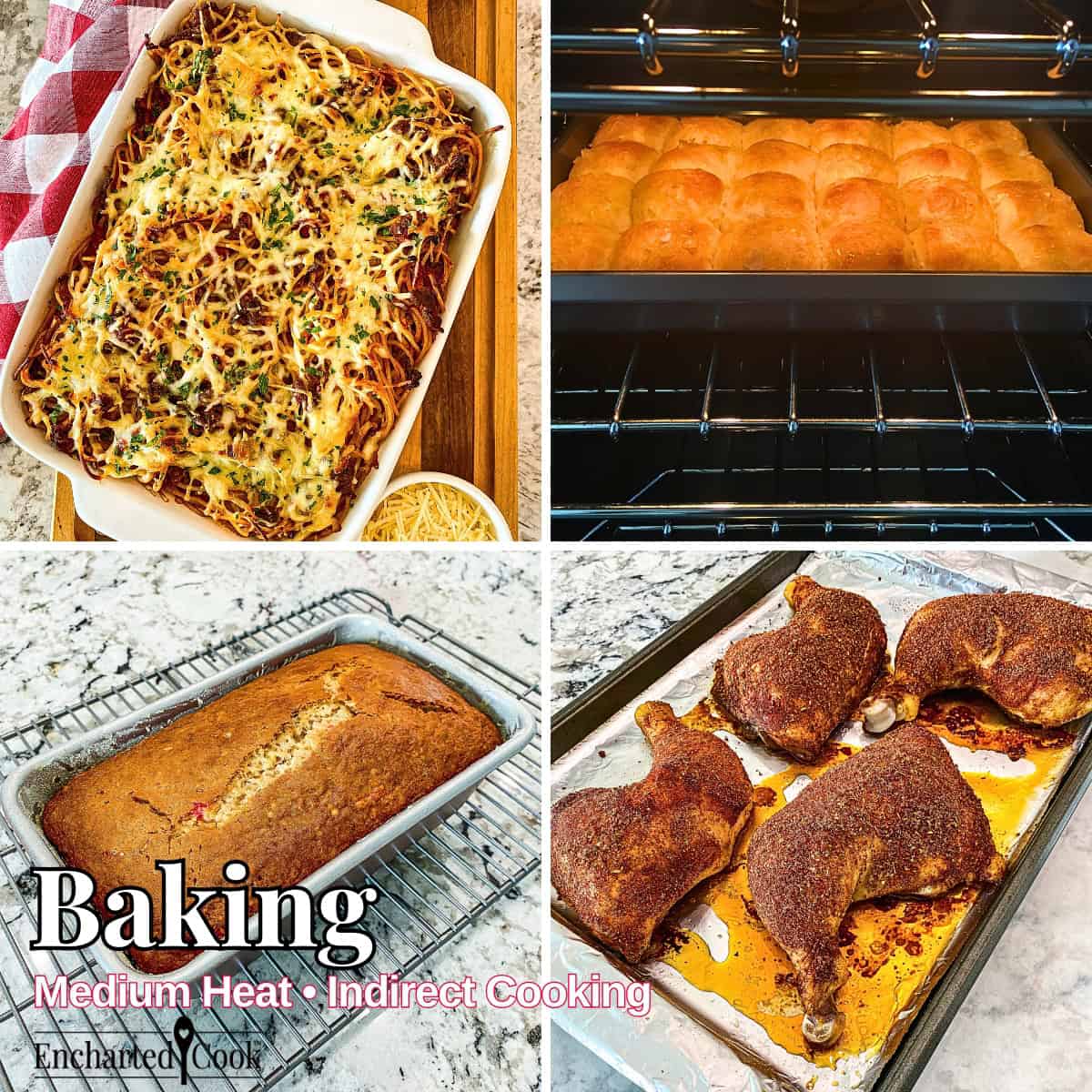
- Best For: Cooking breads, cakes, cookies, pastries, casseroles, root vegetables, meats, and foods made from doughs and batters using steady, even heat.
- Heat Level/Type: 🔥🔥 Medium/Indirect
- What Happens to Flavor: Enhances Flavor
- Common Mistakes: Too Much Heat → Incorrect oven temperature can dry out or unevenly cook baked foods.
- Recipe to Try: Baked Chicken Leg Quarters
Broiling
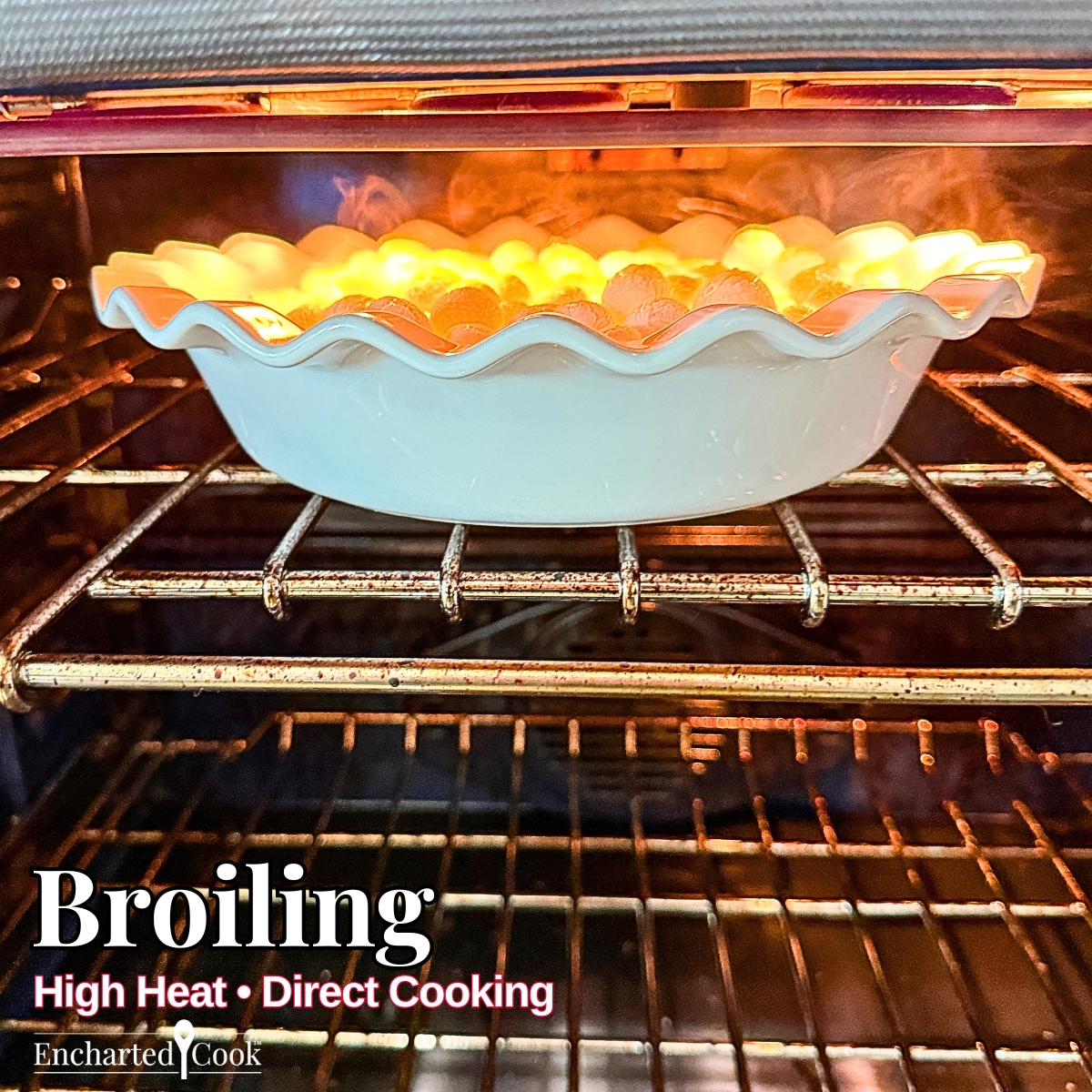
- Best For: Quickly browning and crisping the surface of casseroles, meats, seafood, vegetables, and melts while keeping the interior tender.
- Heat Level/Type: 🔥🔥🔥🔥 High/Indirect
- What Happens to Flavor: Deepens Flavor
- Common Mistakes: Too Much Heat → Leaving food unattended can quickly burn the surface.
- Recipe to Try: S'mores Party Dip
Grilling
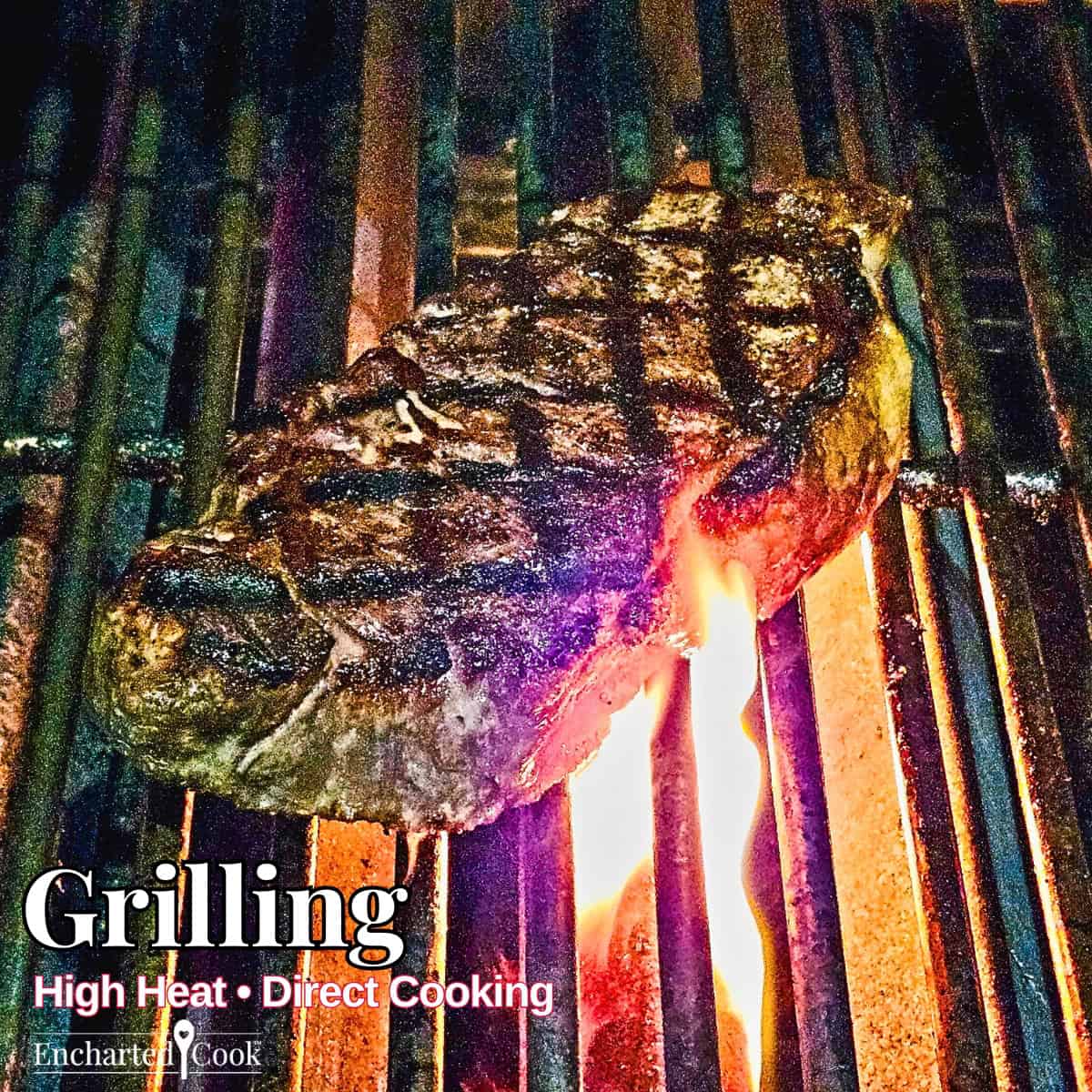
- Best For: Quickly cooking meats, seafood, fruits, and vegetables over high heat to develop smoky, caramelized flavor while keeping the interior tender and juicy.
- Heat Level/Type: 🔥🔥🔥🔥 High/Indirect
- What Happens to Flavor: Deepens Flavor
- Common Mistakes: Too Much Heat → Excessive heat can char the outside before the inside cooks properly.
Roasting
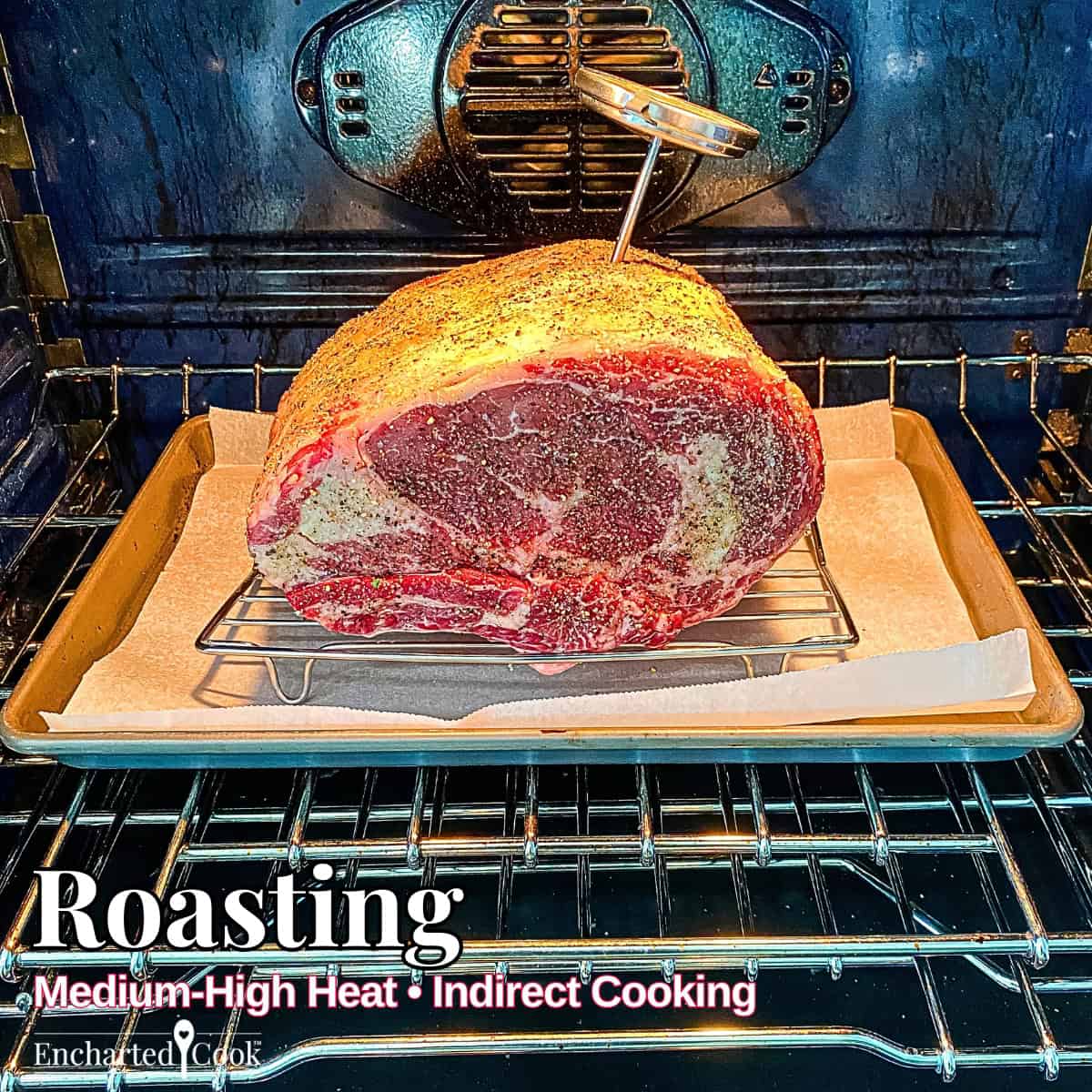
- Best For: Whole chickens, large cuts of meat, stone fruits, and vegetables like carrots, potatoes, beets, onions, broccoli, cauliflower, and Brussels sprouts that benefit from dry heat and caramelization.
- Heat Level/Type: 🔥🔥🔥🔥 Medium-High/Indirect
- What Happens to Flavor: Deepens Flavor
- Common Mistakes: Too Little Patience → Stirring or turning food too often prevents caramelization.
- Recipe to Try: How to Cook a Standing Rib Roast
Flavor-Building Techniques
Some cooking techniques do more than apply heat-they build flavor. By concentrating liquids, developing savory notes, or combining multiple cooking methods, these techniques transform simple ingredients into richer, more complex dishes.
Deglazing
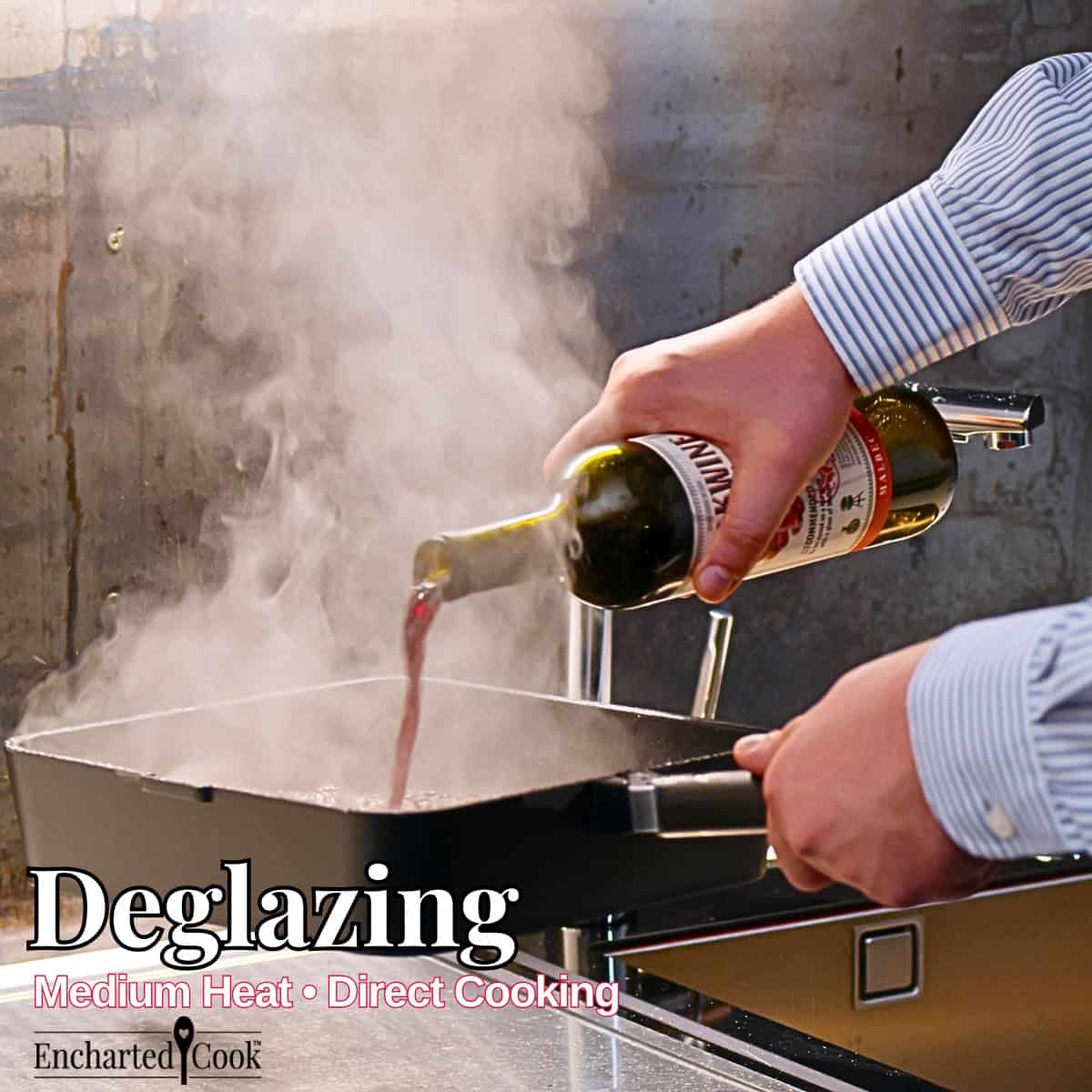
- Best For: Building flavorful sauces, gravies, soups, and braises by loosening browned bits from the pan after searing meat or sautéing vegetables and aromatics.
- Heat Level/Type: 🔥🔥 Medium/Direct
- What Happens to Flavor: Deepens Flavor
- Common Mistakes: Too Little Patience → Letting browned bits burn before adding liquid can create bitter flavors.
- Kitchen Tip: Add liquid while the pan is still hot and scrape gently to release flavorful browned bits from the bottom.
- Recipe to Try: Italian Meat Sauce
Braising
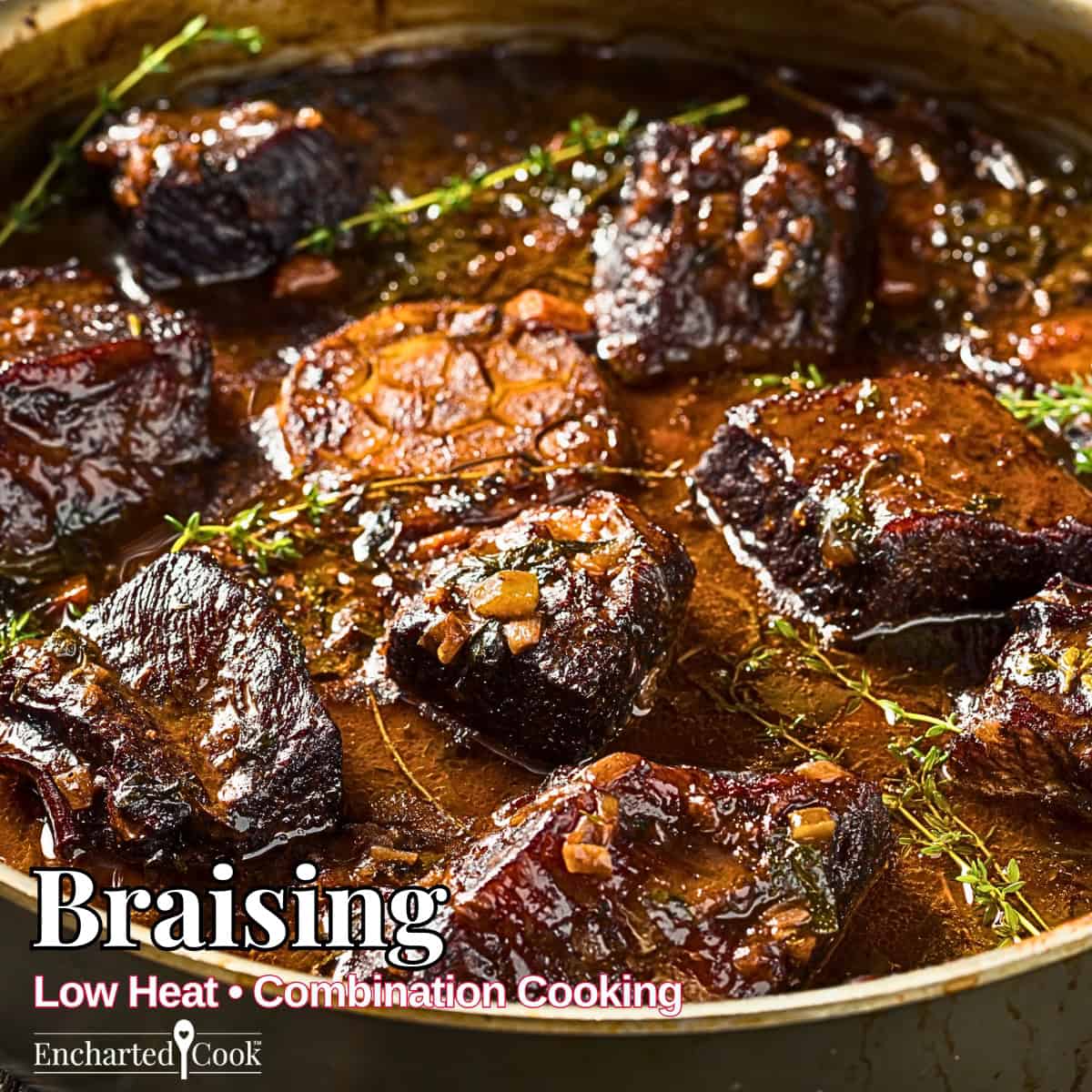
- Best For: Slowly cooking hearty cuts of meat and sturdy vegetables with aromatics, herbs, and liquid to create tender textures and rich sauces.
- Heat Level/Type: 🔥 Low/Combination
- What Happens to Flavor: Deepens Flavor
- Common Mistakes: Too Much Heat → Cooking too quickly can make meat tough instead of tender.
- Kitchen Tip: Keep the liquid at a gentle simmer and cook low and slow for the most tender results.
Reducing
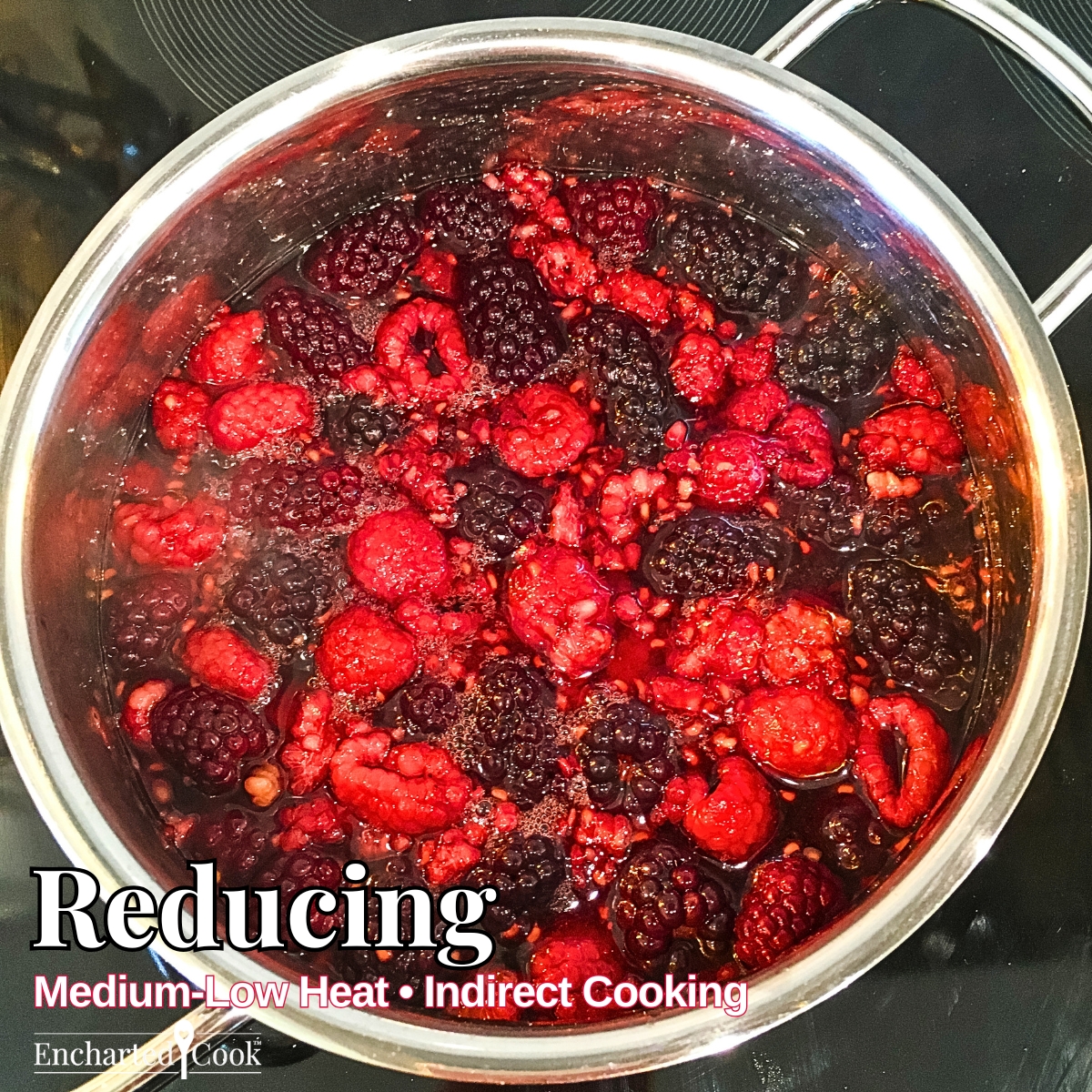
- Best For: Concentrating flavor in pan sauces, glazes, soups, stews, and braising liquids while naturally thickening them without a separate thickening agent.
- Heat Level/Type: 🔥🔥 Medium-Low/Indirect
- What Happens to Flavor: Deepens Flavor
- Common Mistakes: Too Much Heat → Reducing too quickly can scorch or overly concentrate flavors.
- Kitchen Tip: Stir occasionally and watch closely near the end, since sauces can thicken quickly and scorch.
- Recipe to Try: Red Wine Dessert Sauce with Berries
Seasoning
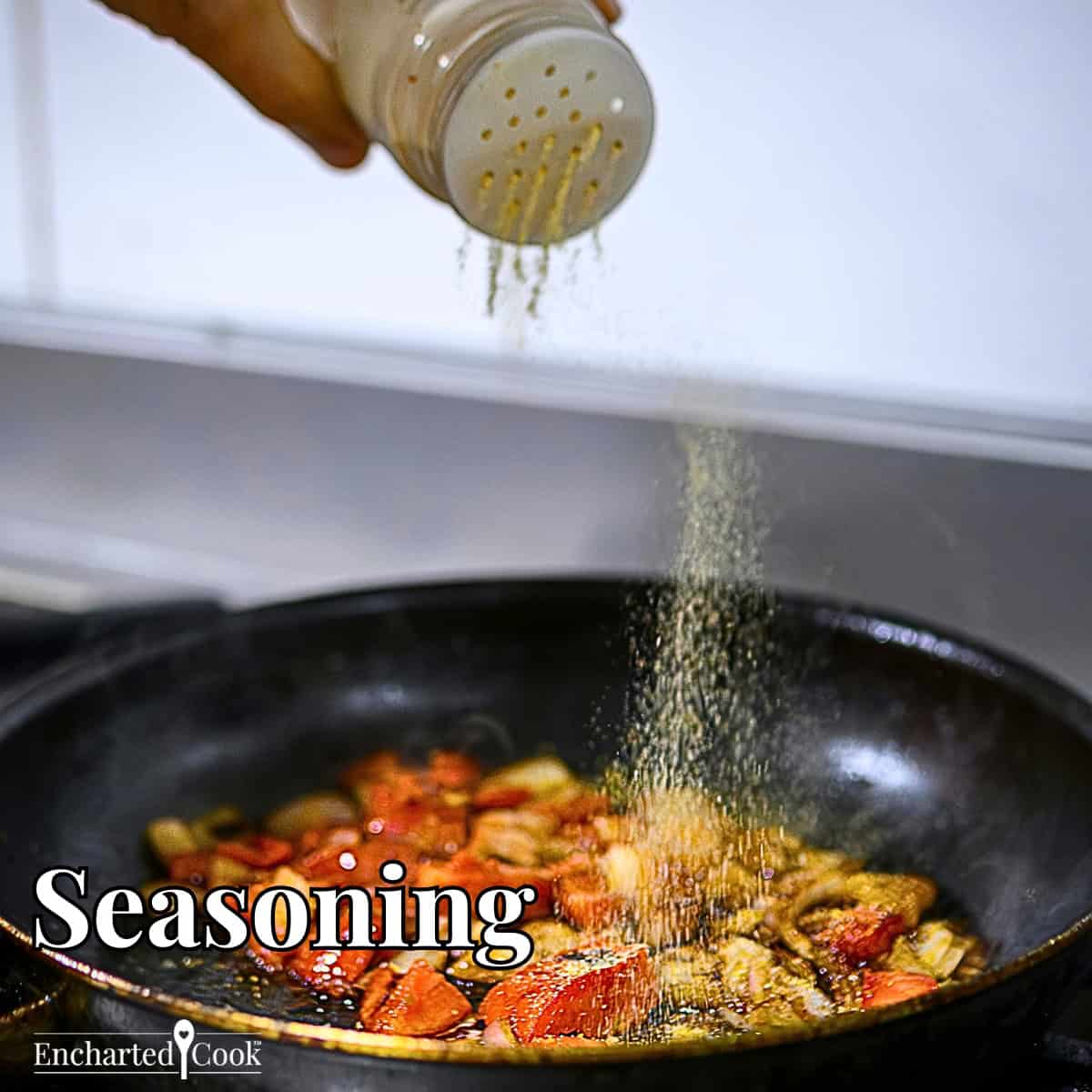
- Best For: Enhancing natural flavors or building signature flavor profiles by adding salt, spices, herbs, acids, and aromatics to food during cooking or before serving.
- Heat Level/Type: N/A
- What Happens to Flavor: Enhances Flavor
- Common Mistakes: Too Little Flavor Building → Adding too little seasoning, or all at once, can leave food tasting flat or unbalanced.
- Kitchen Tip: Taste as you cook and season in small amounts to build balanced flavor without over-salting.
- Recipe to Try: Salt and Pepper Chicken
♡ Which cooking technique do you use most often? Please leave a comment below. I'd love to hear what you're making in your kitchen!
More Cooking Tips, Charts & Kitchen Guides
Now that you know these essential cooking techniques, explore more visual kitchen charts, ingredient guides, and cooking tips to help you cook with confidence.
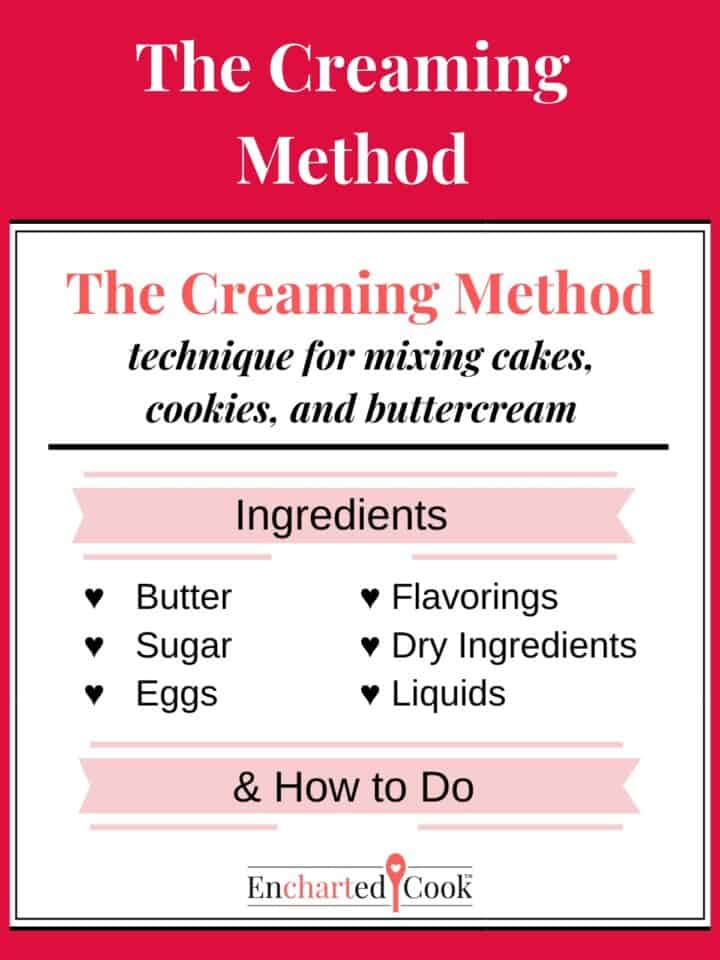
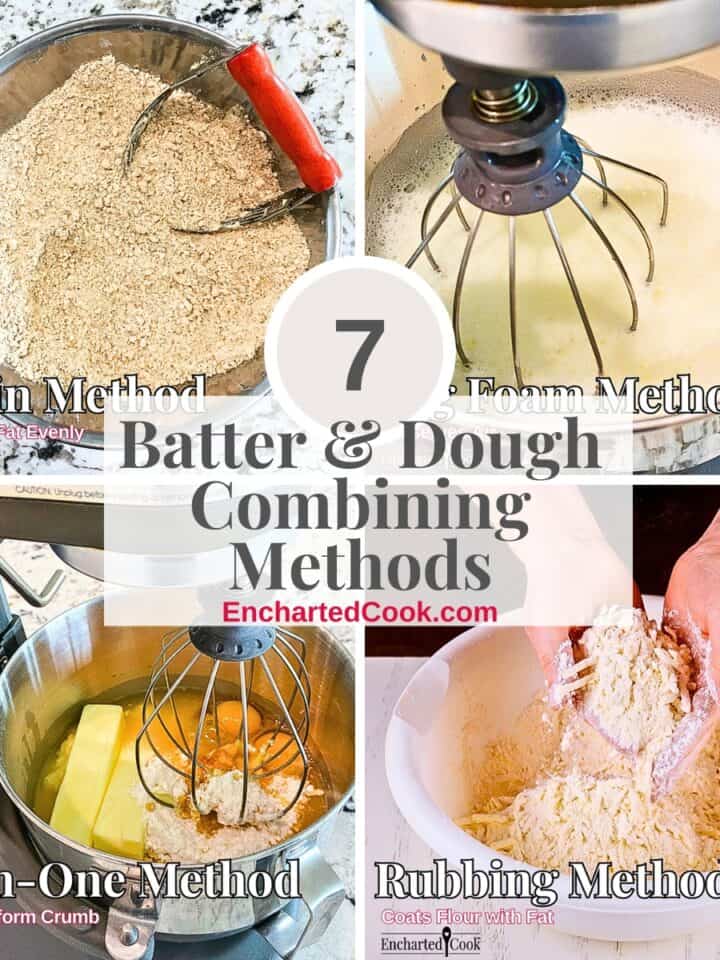
- The Creaming Method
- Leavening Methods & Agents Chart | Baking Reference Guide
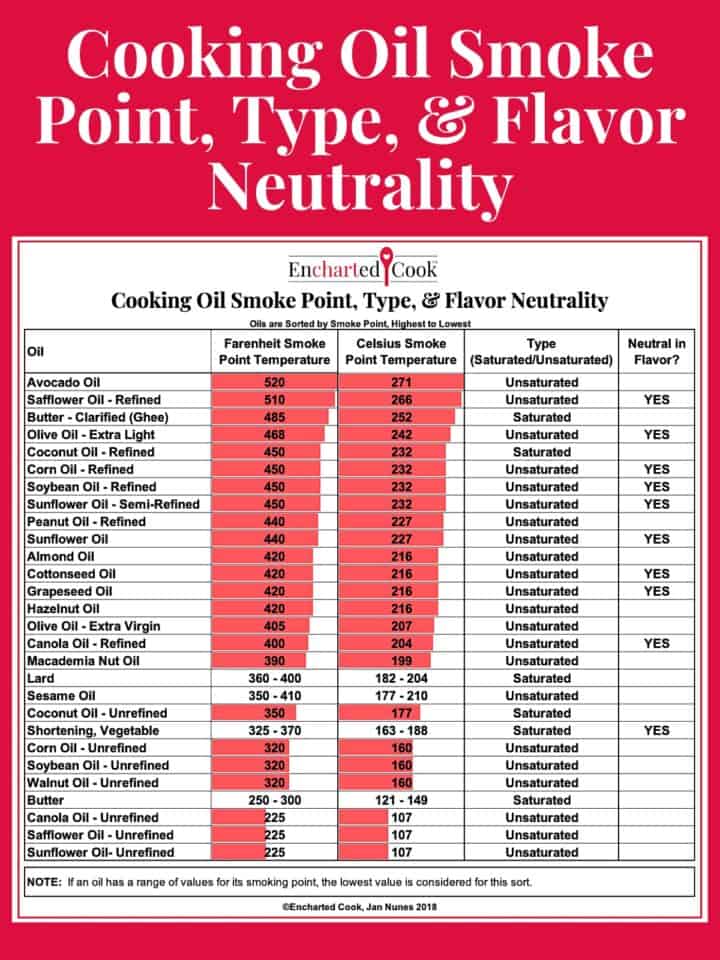
- Cooking Oil Smoke Points and Flavor Neutrality Chart
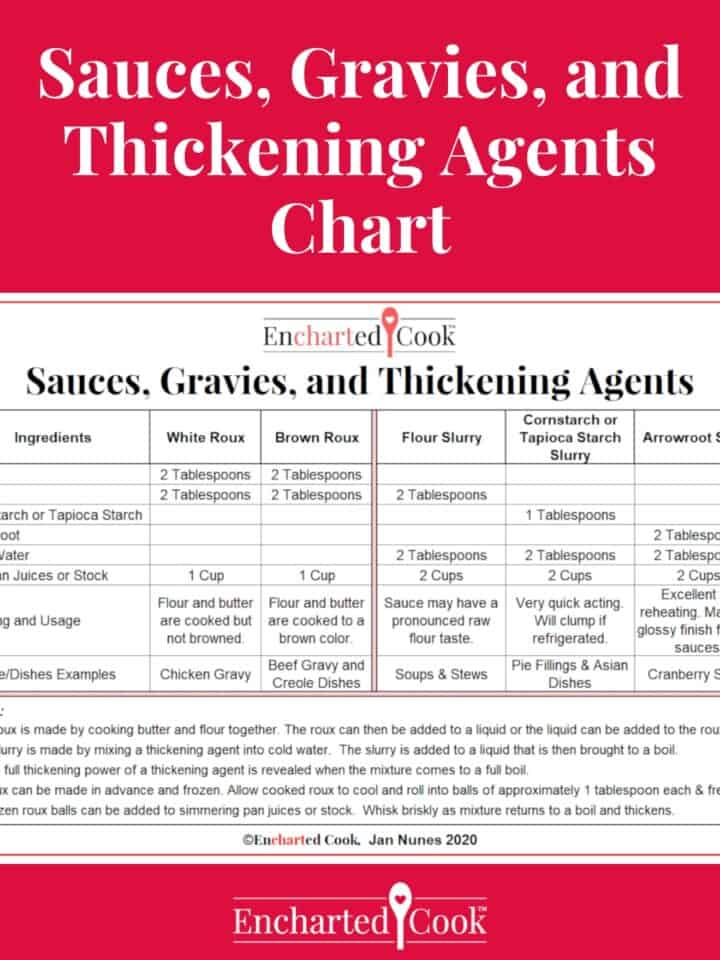
- Sauces, Gravies, and Thickening Agents Chart
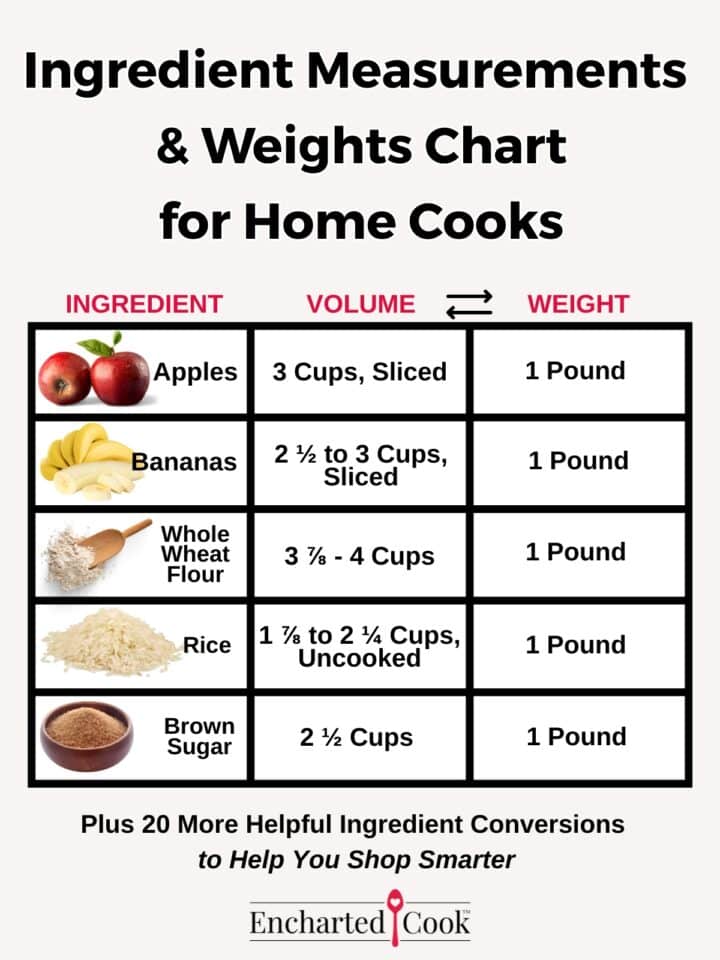
- Ingredient Measurements and Weights Chart for Home Cooks
- Common Recipe Abbreviations (+ Free Printable Chart)
- Roasting Temperatures and Times for Meats Chart
- How to Choose the Right Cooking Oil






Comments
No Comments