
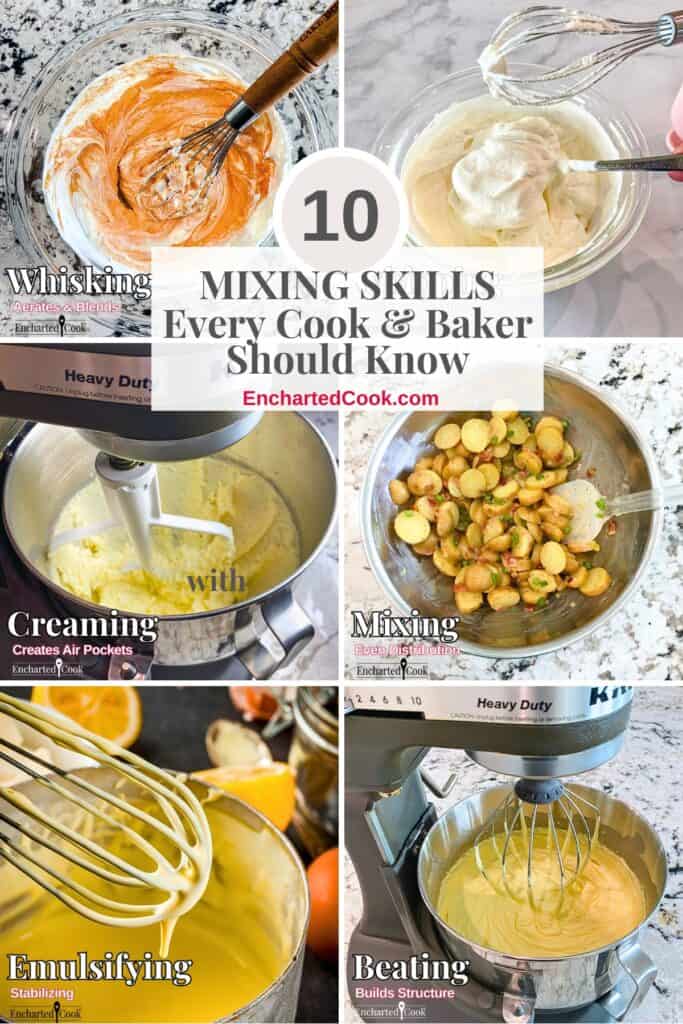
Understanding how ingredients are mixed is one of the most important skills a home cook or baker can learn. Every mixing technique transforms ingredients in a different way, affecting the texture, structure, and appearance of the finished dish.
Some of these skills gently combine ingredients, while others incorporate air, develop gluten, create smooth purees, or form stable emulsions. Knowing when-and why-to stir, whisk, whip, fold, knead, or blend gives you greater confidence in the kitchen and helps you achieve more consistent results.
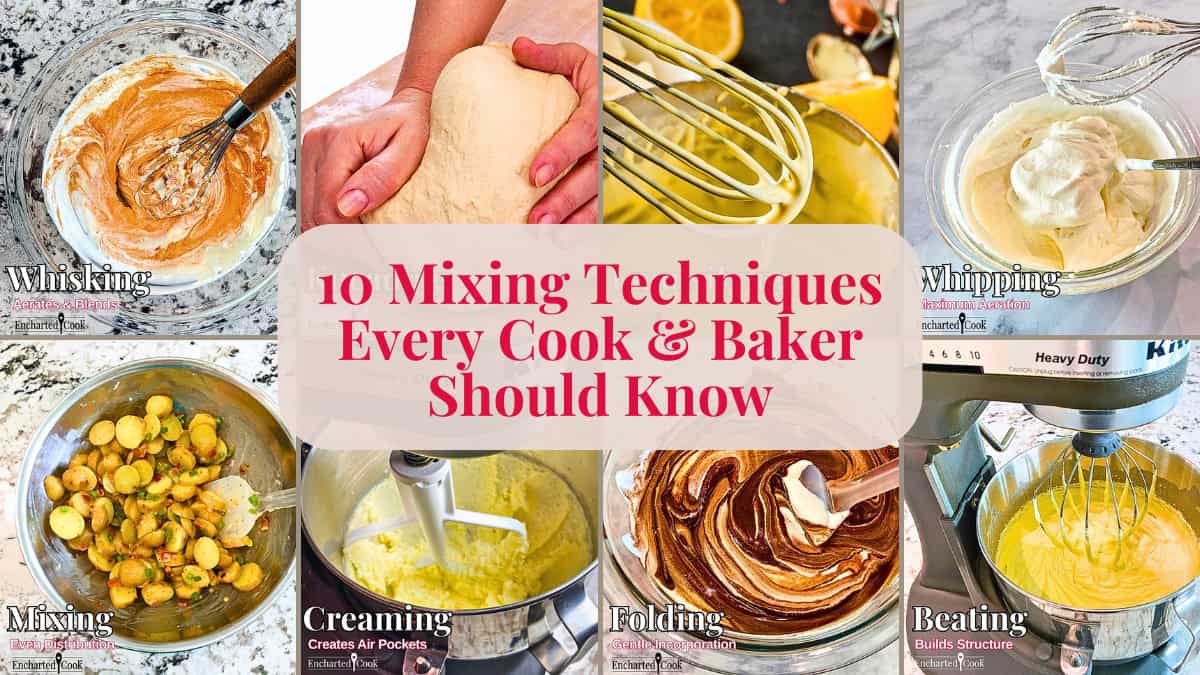
This guide explains ten essential mixing skills every cook and baker should know. You'll learn the purpose of each technique, the best tools to use, common mistakes to avoid, and recipes where each skill is used. Whether you're making a simple vinaigrette, whipping cream, or kneading bread dough, understanding these techniques will help you become a more confident and successful home cook.
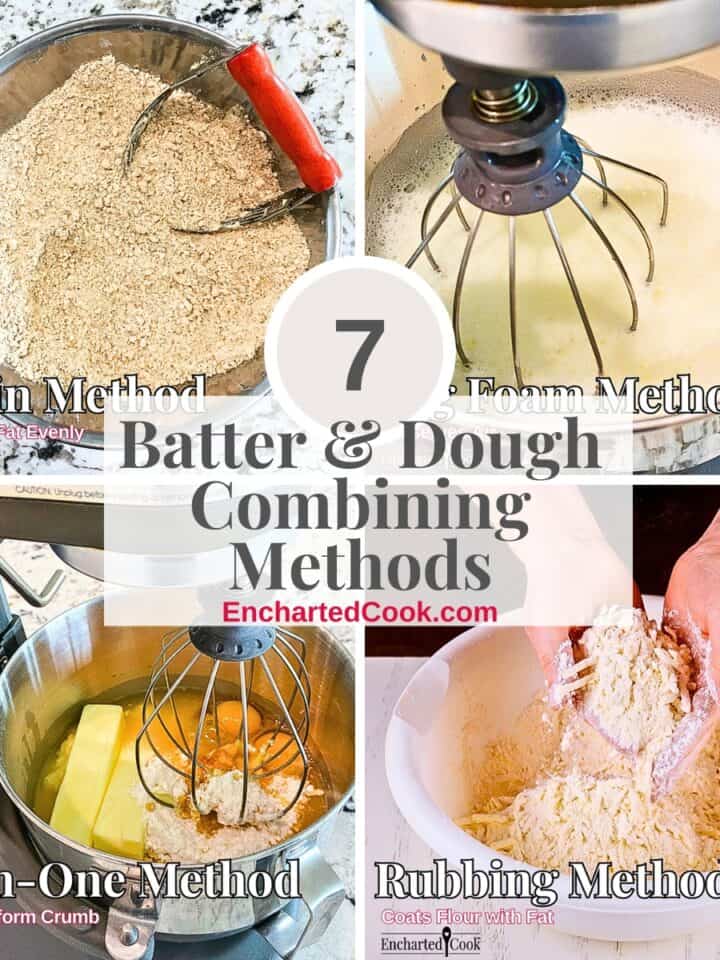
Although these are often called mixing techniques, they are also essential mixing skills. Mastering these core skills makes it much easier to understand baking methods like the Creaming Method, Muffin Method, and Cut-In Method.
🔍 Quick Look: Mixing Techniques Every Cook & Baker Should Know
- Learn: 10 essential mixing techniques
- Includes: Stirring, Mixing, Beating, Whisking, Whipping, Creaming, Folding, Blending, Kneading, and Emulsifying
- Discover: When to use each skill, the best tools, common mistakes, and how each technique transforms ingredients
- Best For: Home cooks and bakers who want to understand how-and why-mixing skills affect the final result
- Why You'll Love It: Learn what each mixing technique does, when to use it, and how it transforms ingredients for better cooking and baking.
Jump to:
- 🔍 Quick Look: Mixing Techniques Every Cook & Baker Should Know
- Mixing Techniques by Category
- Mixing Techniques at a Glance
- Stirring
- 🔍 Quick Guide for Stirring
- Mixing
- 🔍 Quick Guide for Mixing
- Folding
- 🔍 Quick Guide for Folding
- Beating
- 🔍 Quick Guide for Beating
- Whisking
- 🔍 Quick Guide for Whisking
- Whipping
- 🔍 Quick Guide for Whipping
- Creaming
- 🔍 Quick Guide for Creaming
- Blending
- 🔍 Quick Guide for Blending
- Kneading
- 🔍 Quick Guide for Kneading
- Emulsifying
- 🔍 Quick Guide for Emulsifying
- Want to Know More? Keep Learning Now
- 💬 Comments
Mixing Techniques by Category
General Mixing Techniques
- Stirring
- Mixing
- Folding
Aerating Techniques
- Beating
- Whisking
- Whipping
- Creaming
Texture Changing Techniques
- Blending
- Kneading
Stability Techniques
- Emulsifying
Mixing Techniques at a Glance
Each mixing skill serves a different purpose. Choosing the right technique helps you create the texture, structure, and consistency your recipe is designed to achieve.
| Technique Group | Mixing Skill | Primary Goal |
|---|---|---|
| General | Stirring | Gently Combines |
| General | Mixing | Thoroughly Combines |
| General | Folding | Preserves Air |
| Aerating | Beating | Builds Structure |
| Aerating | Whisking | Aerates & Blends |
| Aerating | Whipping | Maximizes Aeration |
| Aerating | Creaming | Creates Air Pockets |
| Texture Changing | Blending | Creates Smooth Texture |
| Texture Changing | Kneading | Develops Gluten |
| Stability | Emulsifying | Stabilizes Mixtures |
General Mixing Techniques
Stirring
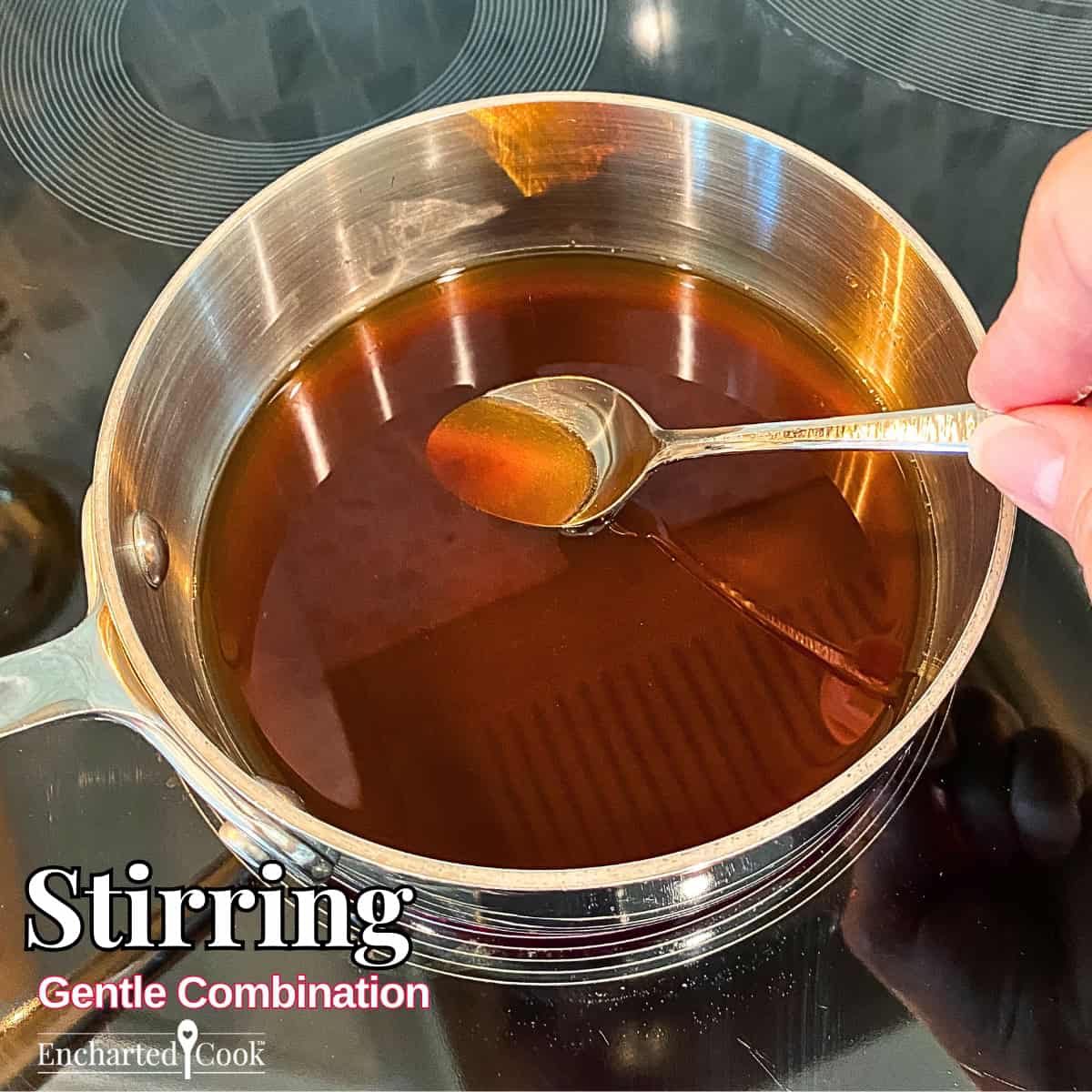
Stirring is one of the most common mixing skills used in cooking and baking. This technique gently combines ingredients with minimal air incorporation, making it ideal for combining ingredients evenly, while maintaining a smooth, consistent texture.
To stir, move a spoon, spatula, or whisk through the mixture using slow, circular motions until the ingredients are evenly combined. Depending on the recipe, stirring may also help prevent sticking or ensure even cooking.
Common Uses for Stirring
- Stirring soup, stew, and chili while cooking
- Combining cake or brownie batters after adding liquid ingredients
- Mixing pasta, potato, or fruit salads
- Stirring sauces, gravies, and puddings
- Dissolving sugar or salt into liquids
🔍 Quick Guide for Stirring
- Best For: Gently combining ingredients without adding significant air
- Equipment Needed: Wooden spoon, whisk, silicone spatula, or mixing spoon
- What Happens to Texture: Produces an even, uniform mixture while maintaining the original texture of the ingredients
- What Happens to Flavor: Evenly distributes ingredients and seasonings throughout the mixture
Common Mistakes:
- Stirring too vigorously and incorporating unwanted air
- Not scraping the bottom and sides of the bowl or pan
- Under-stirring, leaving ingredients unevenly mixed
Recipes That Use Stirring:
Mixing
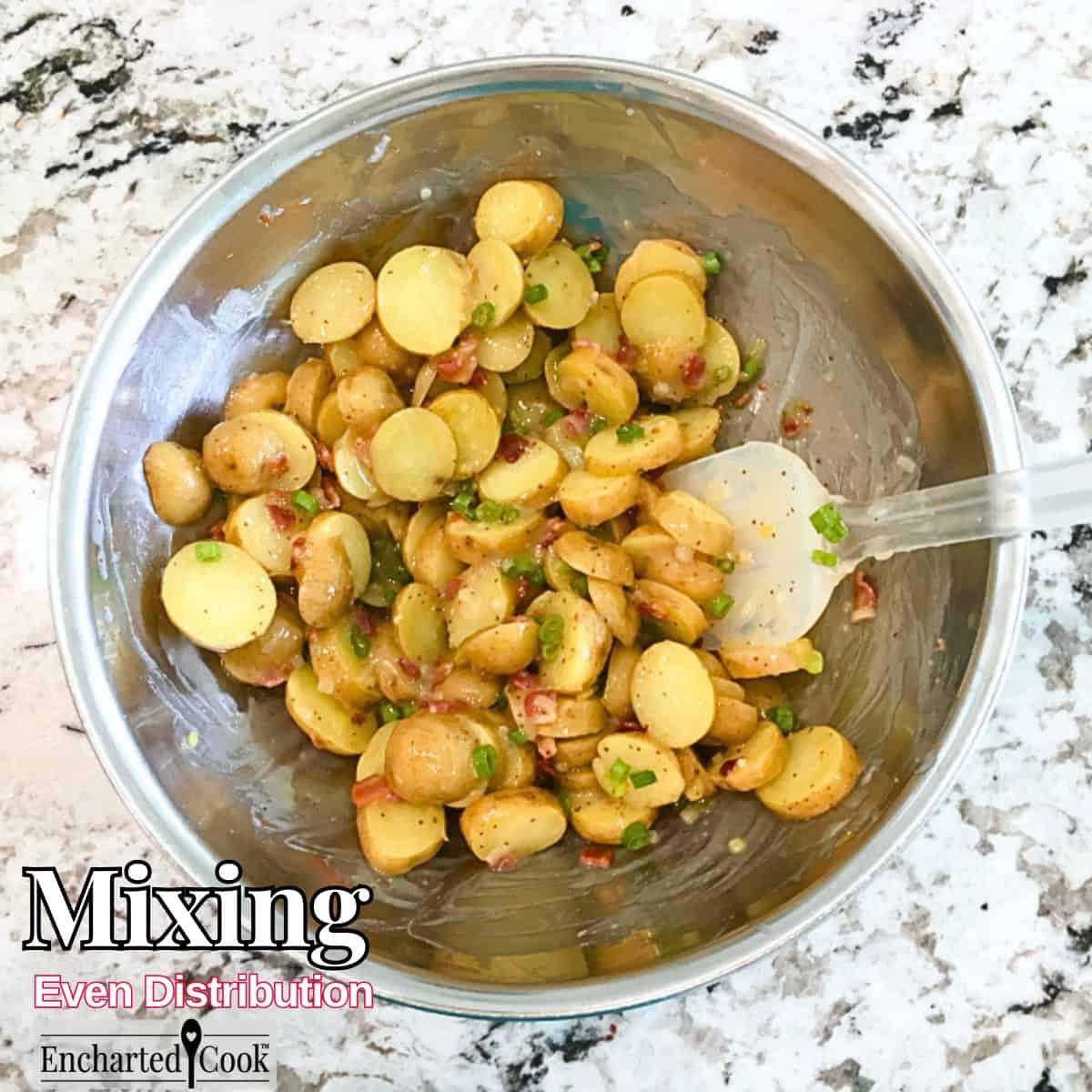
Mixing is the process of thoroughly combining two or more ingredients into a uniform mixture. Unlike stirring, which gently blends ingredients together, mixing often requires more movement to evenly distribute ingredients and develop the desired consistency.
Mixing may be done by hand with a spoon or spatula, or with an electric hand or stand mixer, depending on the recipe and the thickness of the mixture.
Common Uses for Mixing
- Mixing cookie dough
- Combining meatloaf ingredients
- Preparing cake and brownie batters
- Mixing muffin or quick bread batters
- Combining mashed potatoes with butter and milk
🔍 Quick Guide for Mixing
- Best For: Thoroughly combining ingredients into a uniform mixture
- Equipment Needed: Mixing spoon, silicone spatula, hand mixer, or stand mixer
- What Happens to Texture: Evenly distributes ingredients and creates a consistent texture throughout the mixture
- What Happens to Flavor: Blends ingredients and seasonings evenly for consistent flavor in every bite
Common Mistakes:
- Overmixing delicate batters, resulting in a tougher texture
- Undermixing, leaving dry pockets, or unevenly distributed ingredients
- Using a mixer when gentle hand mixing is recommended
Recipes That Use Mixing:
Folding
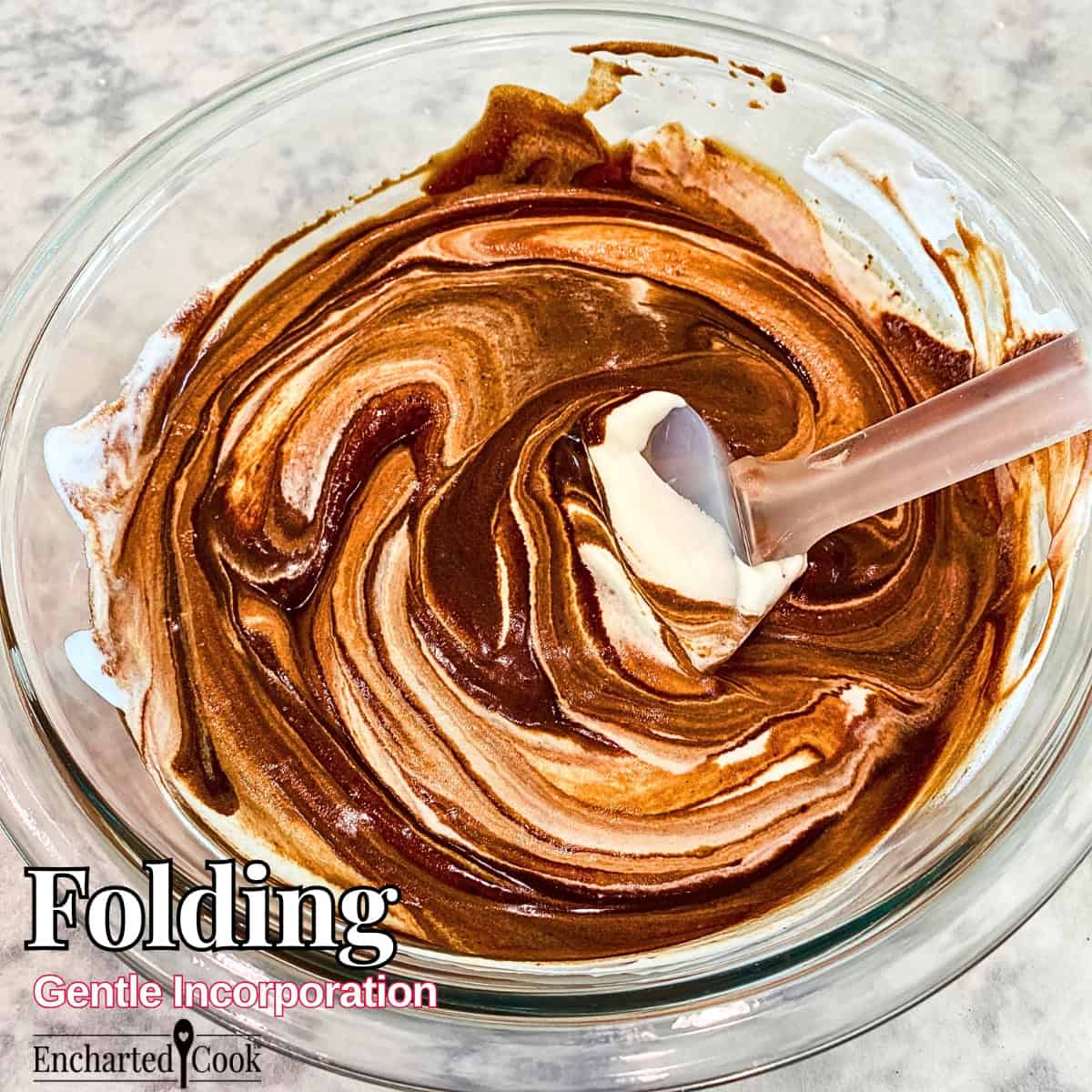
Folding is a gentle mixing technique used to combine ingredients without losing air or breaking delicate ingredients. The goal is to preserve lightness and texture while evenly incorporating another ingredient.
You typically fold by using a spatula to cut down through the center of the mixture, sweep across the bottom, and gently turn the mixture over itself.
Common Uses for Folding
- Folding fruit into whipped cream for a fool dessert
- Folding flour into beaten egg white foam for sponge cake or angel food cake
- Folding whipped cream into mousse or pudding mixtures
- Folding egg yolks into whipped egg white foam for a soufflé
🔍 Quick Guide for Folding
- Best For: Combining ingredients gently without deflating air bubbles
- Equipment Needed: Silicone spatula or large spoon
- What Happens to Texture: Maintains lightness and volume in foams, whipped cream, and delicate egg foam batters
- What Happens to Flavor: Distributes ingredients evenly while preserving delicate textures that affect mouthfeel
Common Mistakes:
- Stirring too aggressively and deflating the mixture
- Overmixing, which removes air and creates a denser result
- Working too slowly, allowing mixtures to separate
Recipes That Use Folding:
Aerating Techniques
Beating
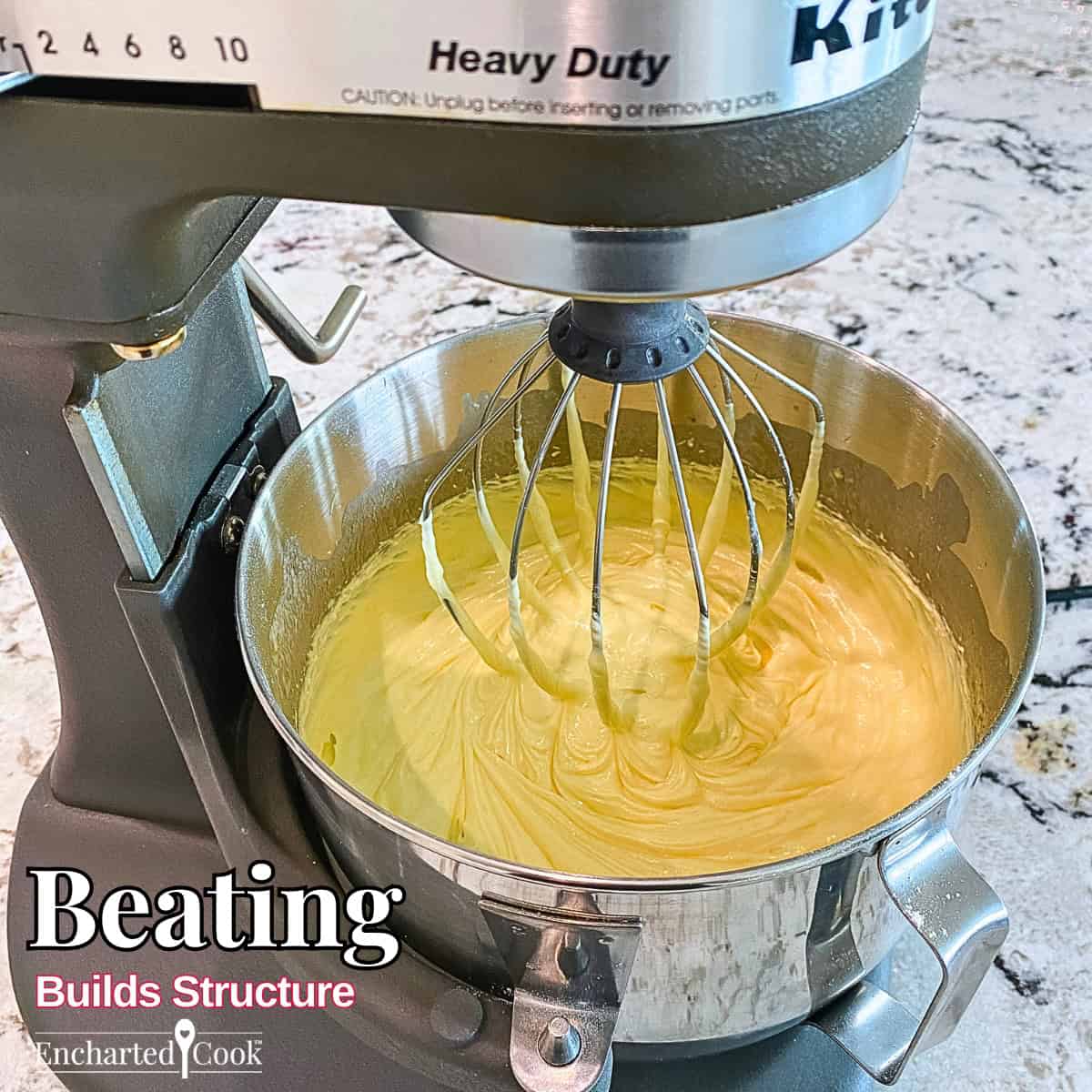
Beating is a mixing technique that vigorously combines ingredients while incorporating air. Unlike stirring or mixing, beating changes the structure of the mixture, creating a smoother consistency and often increasing its volume.
Beating may be done with a whisk, hand mixer, or stand mixer, depending on the recipe. It is commonly used when preparing eggs, batters, frostings, and other mixtures that benefit from a lighter texture.
Common Uses for Beating
- Beating eggs for omelets and scrambled eggs
- Preparing cake batters
- Mixing buttercream frosting
- Combining mashed potatoes until smooth
- Beating sugar into egg yolks for custards and cakes
🔍 Quick Guide for Beating
- Best For: Thoroughly combining ingredients while incorporating some air to build structure
- Equipment Needed: Spoon, whisk, hand mixer, or stand mixer
- What Happens to Texture: Produces a smoother, lighter mixture with increased volume and improved structure
- What Happens to Flavor: Evenly distributes ingredients while creating a texture that enhances the overall eating experience
Common Mistakes:
- Underbeating, leaving ingredients unevenly combined
- Overbeating eggs or batters, which can affect texture
- Beating at the wrong speed for the recipe
- Not scraping the sides of the bowl as needed
Recipes That Use Beating:
- Butter Pecan Rum Cake
- Chocolate Buttercream Frosting
- Lazy Daisy Cake
- Mile-High Angel Food Cake
Whisking
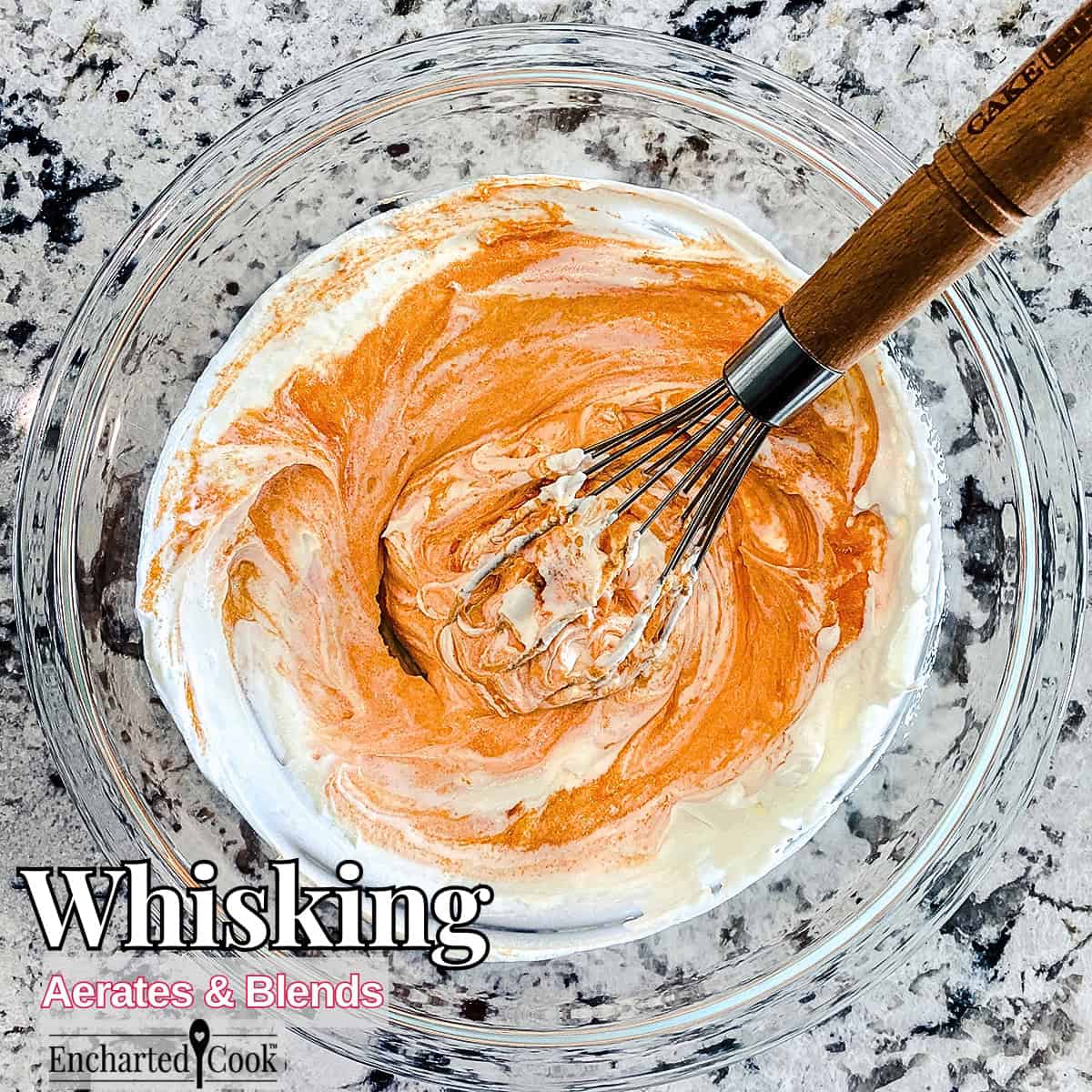
Whisking is a mixing technique that blends ingredients together while incorporating a moderate amount of air. The rapid motion of a whisk creates a smooth, uniform mixture and helps dissolve ingredients, combine liquids, and create light foams.
A balloon whisk is the most common tool for whisking, although some recipes call for a flat whisk or small whisk depending on the mixture. Whisking is especially useful when making sauces, dressings, batters, and egg mixtures.
Common Uses for Whisking
- Whisking oil and vinegar into a vinaigrette
- Blending eggs for omelets or scrambled eggs
- Mixing gravy or sauces until smooth
- Combining dry ingredients for baking
- Preparing pancake or waffle batter
🔍 Quick Guide for Whisking
- Best For: Blending ingredients smoothly while incorporating a moderate amount of air
- Equipment Needed: Balloon whisk, flat whisk, or small whisk
- What Happens to Texture: Creates a smooth, lump-free mixture with light aeration
- What Happens to Flavor: Evenly distributes ingredients, seasonings, and emulsified liquids for a balanced flavor throughout the mixture
Common Mistakes:
- Whisking too slowly to fully combine ingredients
- Using the wrong size whisk for the bowl or mixture
- Overwhisking delicate batters
- Failing to scrape the sides and bottom of the bowl when needed
Recipes That Use Whisking:
- Basic Vinaigrette
- Homemade All-Purpose Gravy
- Dutch Baby Pancake
- Hollandaise Sauce
Whipping
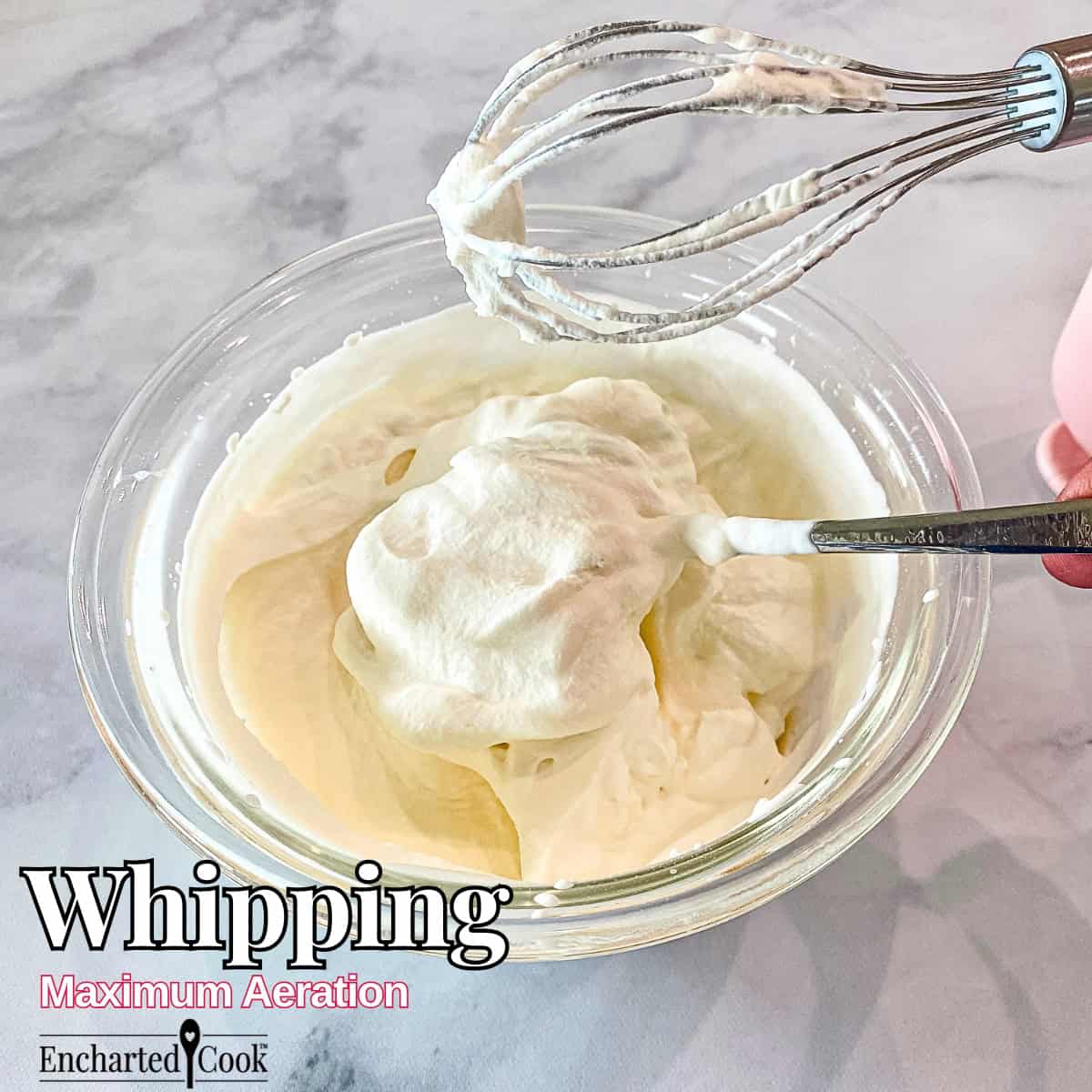
Whipping is a mixing technique that rapidly incorporates large amounts of air into an ingredient, increasing its volume and creating a light, airy texture. It is commonly used with heavy cream and egg whites to produce foams that provide structure to many desserts and baked goods.
Whipping may be done with a balloon whisk, hand mixer, or stand mixer. As air is incorporated, the mixture becomes lighter, thicker, and more stable, progressing through stages such as soft peaks, medium peaks, and stiff peaks.
One of the most remarkable examples of whipping is heavy cream. As more air is incorporated, heavy cream transforms through a series of distinct stages-from cold foam to soft peaks, medium peaks, and stiff peaks. Each stage has its own texture and best uses. My article, How Cream Changes When Whipped, explores this transformation in detail.
Common Uses for Whipping
- Whipping heavy cream for desserts and toppings
- Whipping egg whites for meringues and angel food cake
- Preparing whipped frostings
- Making chocolate mousse
- Creating light dessert fillings
🔍 Quick Guide for Whipping
- Best For: Maximizing air incorporation to increase volume and create light, stable foams
- Equipment Needed: Balloon whisk, hand mixer, or stand mixer
- What Happens to Texture: Produces a light, airy texture by trapping air within the mixture, increasing both volume and stability
- What Happens to Flavor: Creates a lighter mouthfeel while evenly distributing flavor throughout the mixture
Common Mistakes:
- Underwhipping, resulting in insufficient volume
- Overwhipping cream until it becomes grainy or turns to butter
- Whipping egg whites in a bowl with traces of fat or egg yolk
- Using warm ingredients, which reduces whipping performance
Recipes That Use Whipping:
- Homemade Whipped Cream
- Strawberry Fool
- Chocolate Mousse
- Mile-High Angel Food Cake
Creaming
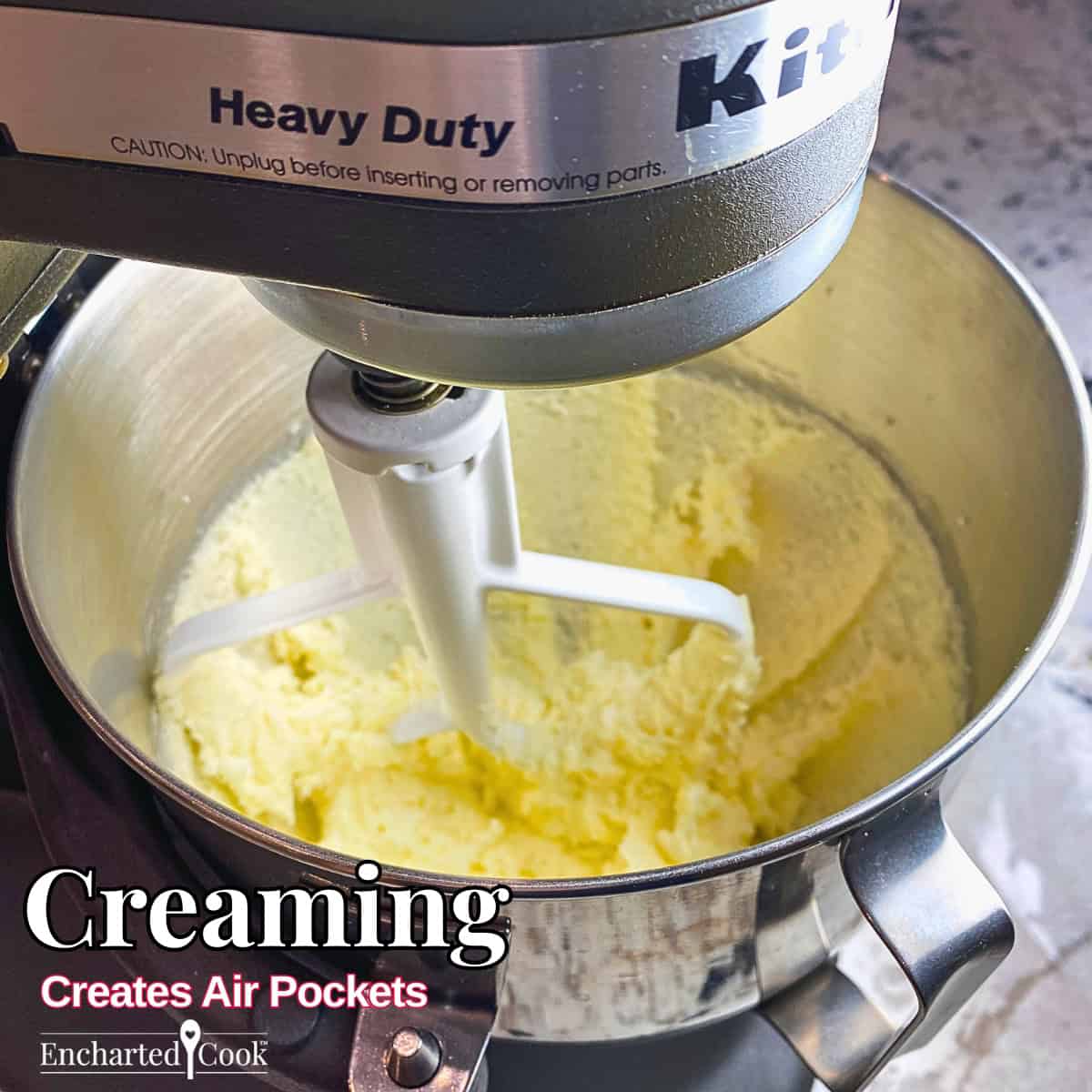
Creaming is a mixing technique that beats softened butter and sugar together to create millions of tiny air pockets. These trapped air pockets help produce baked goods with a lighter texture, finer crumb, and better structure.
Unlike whipping, which incorporates air into liquids such as cream or egg whites, creaming incorporates air into a solid fat. The sharp edges of the sugar crystals create tiny pockets within the softened butter, forming a stable mixture that expands during baking.
Creaming is the foundation of many butter cakes, cookies, and frostings. Because it plays such an important role in texture, properly creaming butter and sugar is one of the most important skills every baker should master.
Common Uses for Creaming
- Butter cakes
- Pound cakes
- Butter cookies
- Chocolate chip cookies
- Buttercream frosting
🔍 Quick Guide for Creaming
- Best For: Creating air pockets in butter to produce light, tender baked goods
- Equipment Needed: Stand mixer with paddle attachment, hand mixer, sturdy wooden spoon, or your hands
- What Happens to Texture: Incorporates tiny air pockets that create a lighter crumb, greater volume, and improved structure during baking
- What Happens to Flavor: Evenly distributes the butter and sugar while creating a smoother, more uniform batter
Common Mistakes:
- Using butter that is too cold or too warm
- Stopping before the mixture becomes light and fluffy
- Overcreaming, causing the butter to become overly soft
- Forgetting to scrape the sides and bottom of the bowl
Recipes That Use Creaming:
- Basic Butter Cake
- Vanilla Sugar Cookies
- Buttercream Frosting
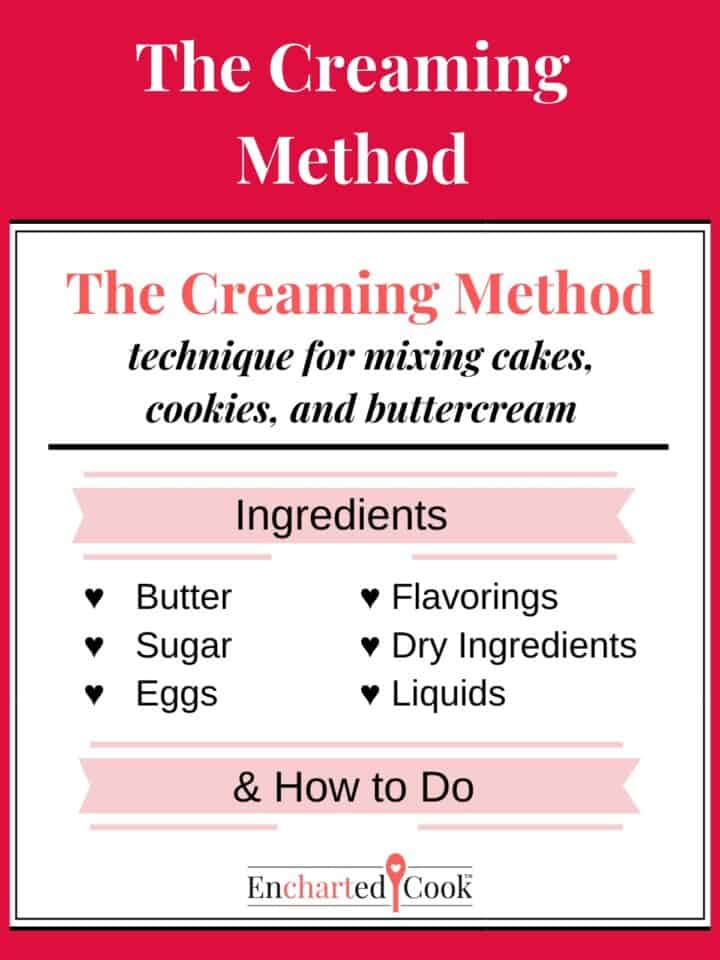
Learn More: See The Creaming Method to learn how butter and sugar are transformed into the foundation of many cakes and cookies.
Texture Changing Techniques
Blending
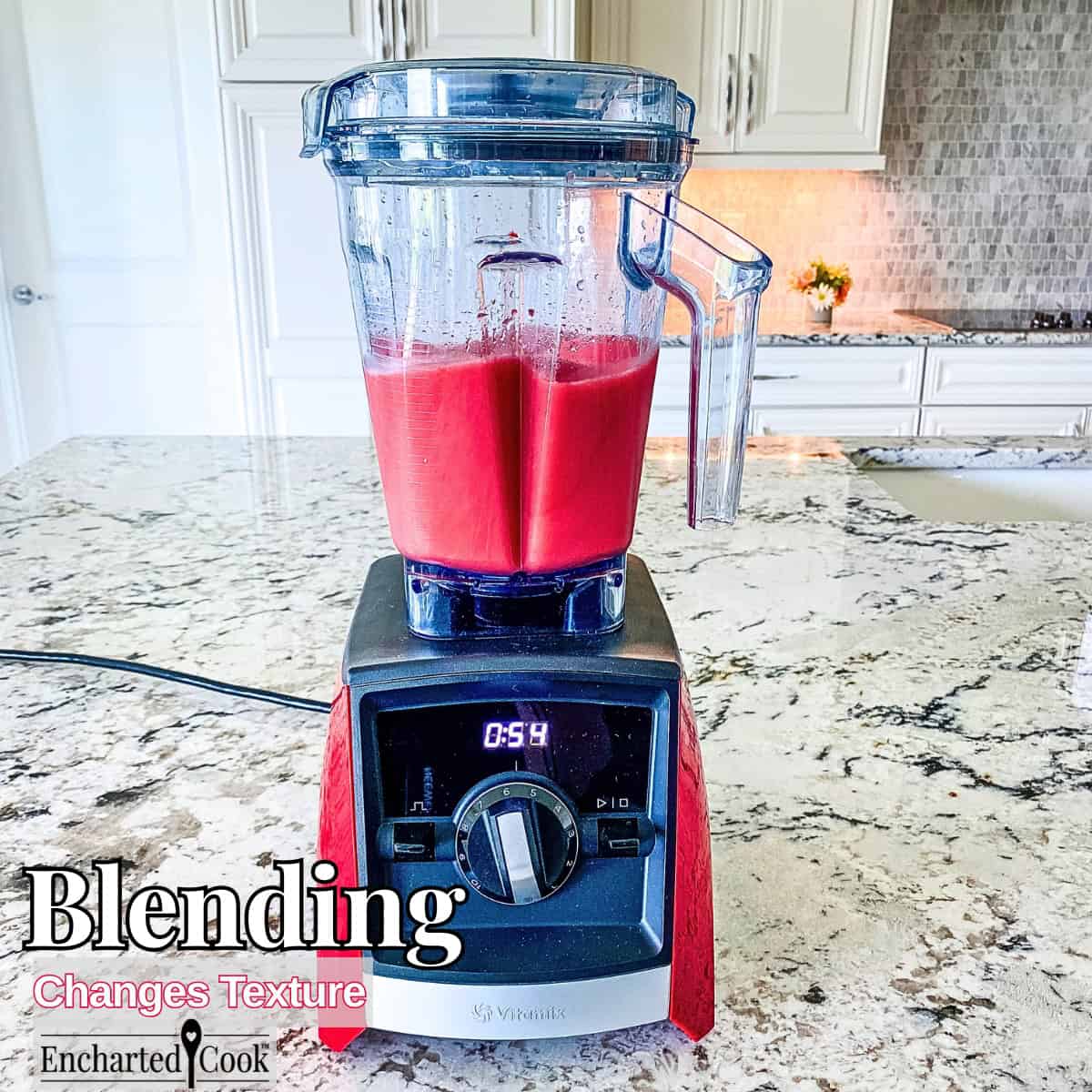
Blending is a mixing technique that breaks ingredients into smaller particles to create a smooth, uniform mixture. Unlike stirring or whisking, blending changes the physical structure of the ingredients by cutting, pureeing, and thoroughly combining them.
Blending is commonly done with a countertop blender, immersion blender, or food processor, depending on the recipe. It is especially useful for beverages, soups, sauces, dressings, and purees where a smooth consistency is desired.
Common Uses for Blending
- Making smoothies and frozen drinks
- Pureeing soups
- Preparing fruit sauces and coulis
- Blending salad dressings
- Making dips and spreads
🔍 Quick Guide for Blending
- Best For: Creating smooth, uniform mixtures by breaking ingredients into smaller particles
- Equipment Needed: Countertop blender, immersion (stick) blender, or food processor
- What Happens to Texture: Produces a smooth, creamy, or pourable consistency by reducing particle size and evenly distributing ingredients
- What Happens to Flavor: Evenly blends flavors throughout the mixture and may release more flavor from fruits, vegetables, herbs, and spices as they are broken down
Common Mistakes:
- Overfilling the blender jar
- Blending hot liquids without proper ventilation
- Overblending delicate ingredients
- Not stopping to scrape down the sides when needed
Recipes That Use Blending:
Kneading
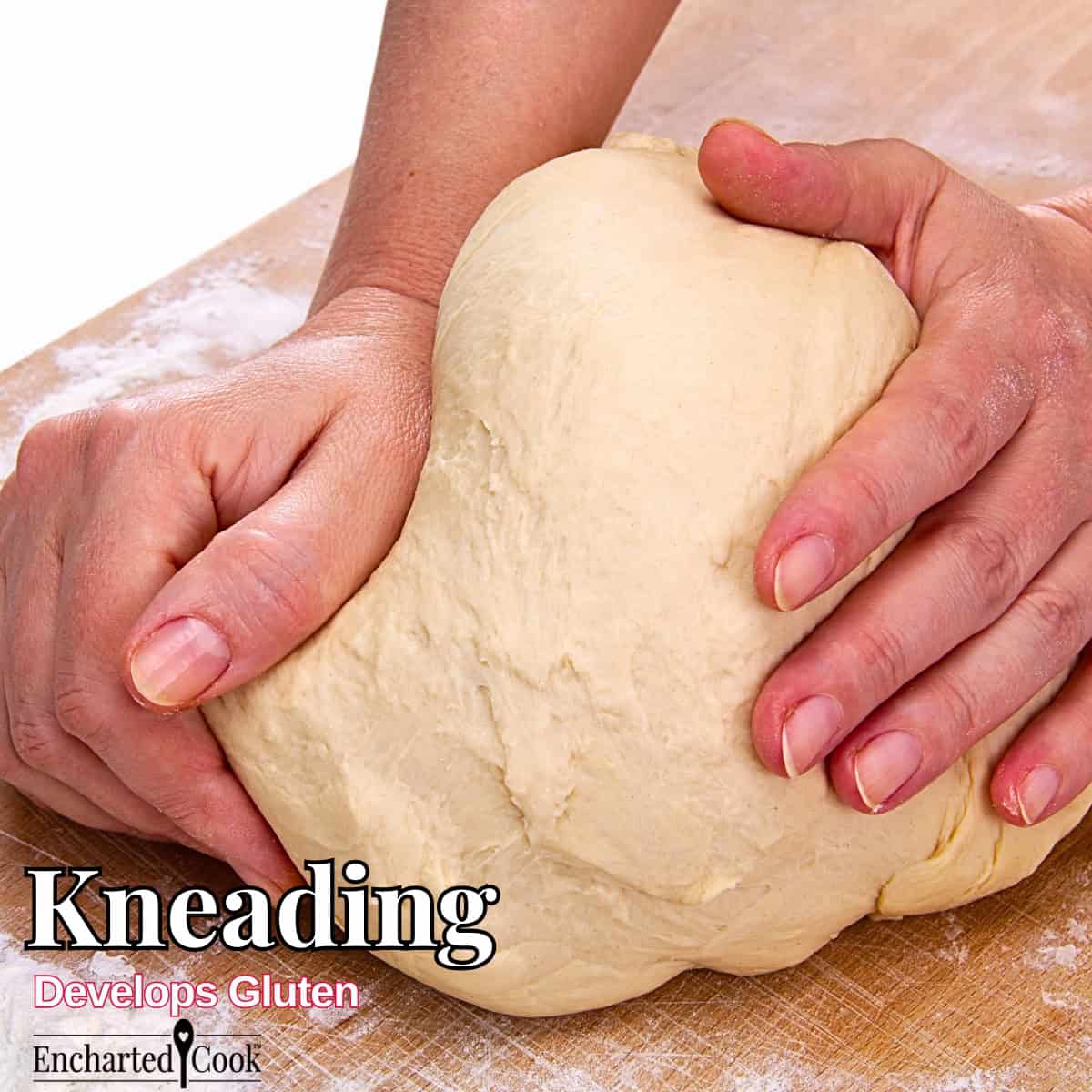
Kneading is a mixing technique that develops gluten by repeatedly folding, pressing, and stretching dough. As the dough is worked, the gluten proteins become organized into a strong, elastic network that helps trap gas produced during fermentation, giving yeast breads their structure and chewy texture.
Kneading may be done by hand or with a stand mixer fitted with a dough hook. Regardless of the tool, the goal is the same: to develop a smooth, elastic dough with enough gluten strength to trap gases during fermentation.
The amount of kneading varies depending on the type of dough and the desired texture of the finished baked good.
Common Uses for Kneading
- Yeast bread dough
- Dinner rolls
- Pizza dough
- Cinnamon rolls
- Soft pretzels
🔍 Quick Guide for Kneading
- Best For: Developing gluten to create structure and elasticity in yeast doughs
- Equipment Needed: Clean hands or a stand mixer fitted with a dough hook
- What Happens to Texture: Creates a smooth, elastic dough that can stretch, trap gas, and produce a light, chewy crumb
- What Happens to Flavor: Develops dough structure without significantly changing flavor, allowing fermentation to build flavor over time
Common Mistakes:
- Adding too much flour while kneading
- Underkneading, resulting in poor structure
- Overkneading, especially with a stand mixer
- Tearing the dough instead of stretching and folding it
Recipes That Use Kneading:
Stability Techniques
Emulsifying
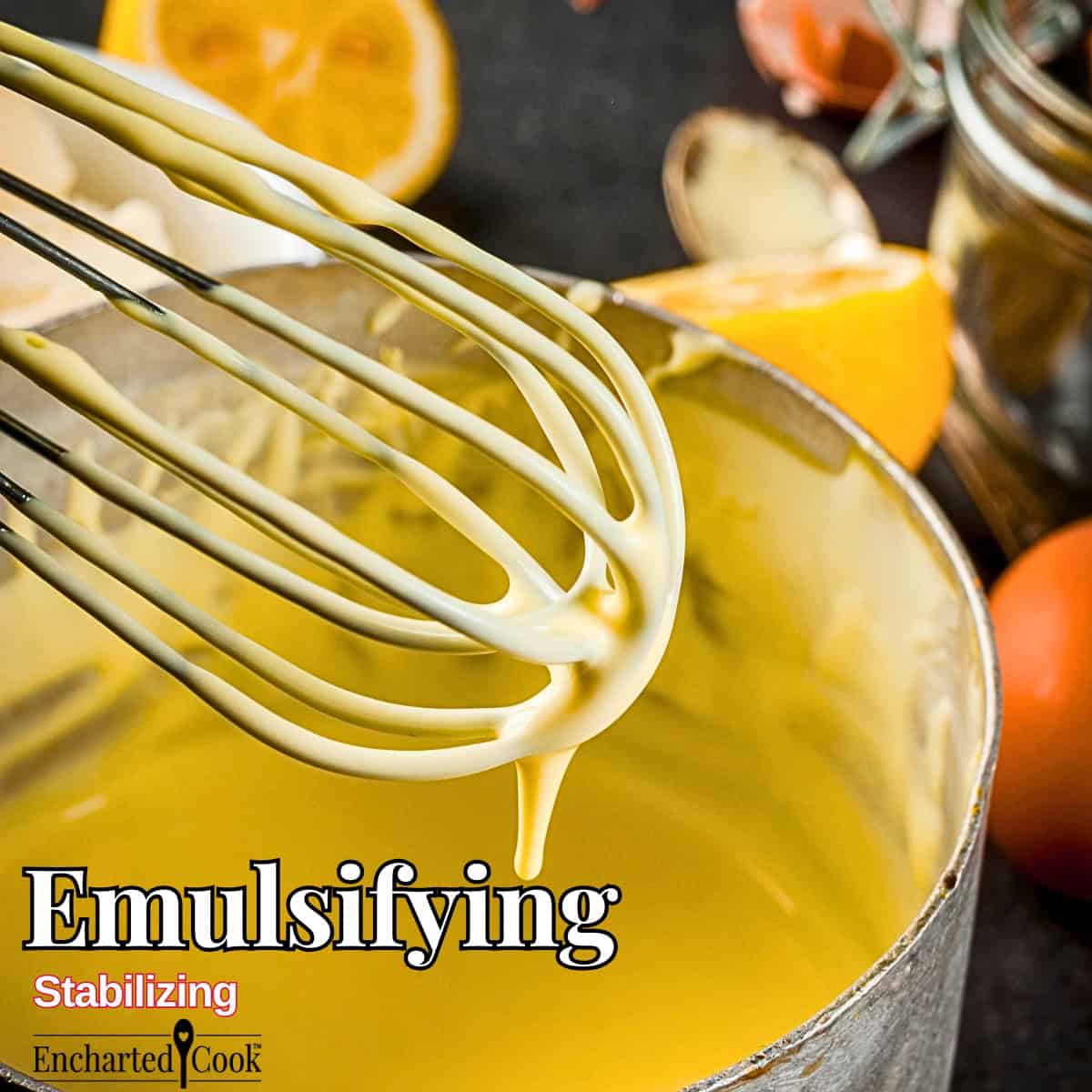
Emulsifying is a mixing technique that combines two liquids that normally separate, such as oil and water, into a smooth, stable mixture. This transformation occurs by breaking one liquid into tiny droplets and dispersing them evenly throughout the other.
Emulsifying can be done with a whisk, immersion blender, countertop blender, or food processor. Some recipes also rely on natural emulsifiers, such as egg yolks or mustard, to help stabilize the mixture and keep it from separating.
Common Uses for Emulsifying
- Making vinaigrettes
- Preparing Hollandaise sauce
- Making mayonnaise and aioli
- Blending creamy salad dressings
- Creating smooth pan sauces with butter
🔍 Quick Guide for Emulsifying
- Best For: Combining liquids that naturally separate into a stable mixture
- Equipment Needed: Balloon whisk, jar with a tight-fitting lid, immersion blender, countertop blender, or food processor
- What Happens to Texture: Produces a smooth, creamy consistency by evenly dispersing tiny droplets throughout the mixture
- What Happens to Flavor: Evenly distributes fats and seasonings so every bite has balanced flavor and a rich mouthfeel
Common Mistakes:
- Adding oil too quickly
- Not whisking or blending long enough
- Using ingredients that are too hot or too cold when the recipe requires similar temperatures
- Stopping before the emulsion becomes fully stable
Recipes That Use Emulsifying:
- Basic Vinaigrette
- Green Goddess Salad Dressing
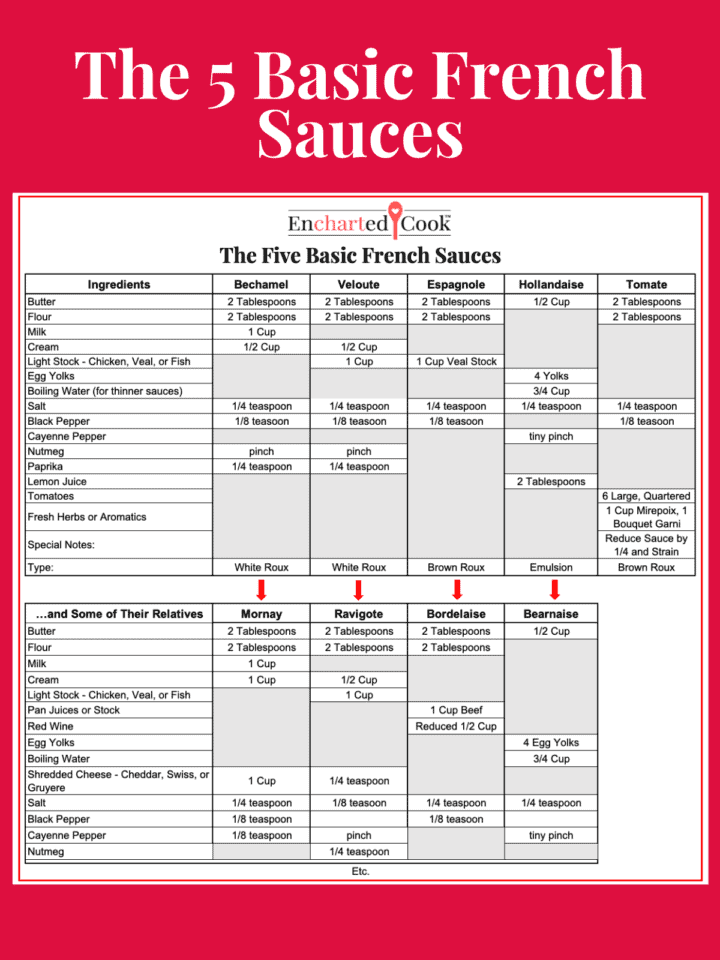
- Five Basic French Sauces
- Homemade Mayonnaise
Want to Know More? Keep Learning Now


Comments
No Comments